Why Leveling an Appliance Is Critical for Performance, Safety, and Longevity
When homeowners think about appliance installation, they often focus on the obvious details. They expect the appliance to fit properly, connect to the necessary utilities, and turn on without any problems. One aspect of installation that is rarely considered, however, is leveling.
To many people, leveling an appliance sounds like a simple finishing step. In reality, it is one of the most important parts of a professional installation. Even if an appliance appears to be only slightly uneven, that small difference can affect how it operates, how efficiently it performs, how long it lasts, and even how safely it functions.
Modern appliances are engineered with tight manufacturing tolerances. Doors, seals, motors, drainage systems, and internal components are designed to operate on a level surface. When an appliance sits unevenly, those components may experience unnecessary stress, leading to poor performance and premature wear.
For homeowners in Manchester, Missouri, proper leveling is especially important because many homes have settled over time. Floors may not be perfectly flat, kitchen remodels may have altered floor heights, and cabinets installed years ago may no longer be completely square. These conditions make professional leveling an essential part of every appliance installation.
This guide explains why leveling matters, how it affects different appliances, and why experienced installers spend the time necessary to get it right.
What Does It Mean to Level an Appliance?
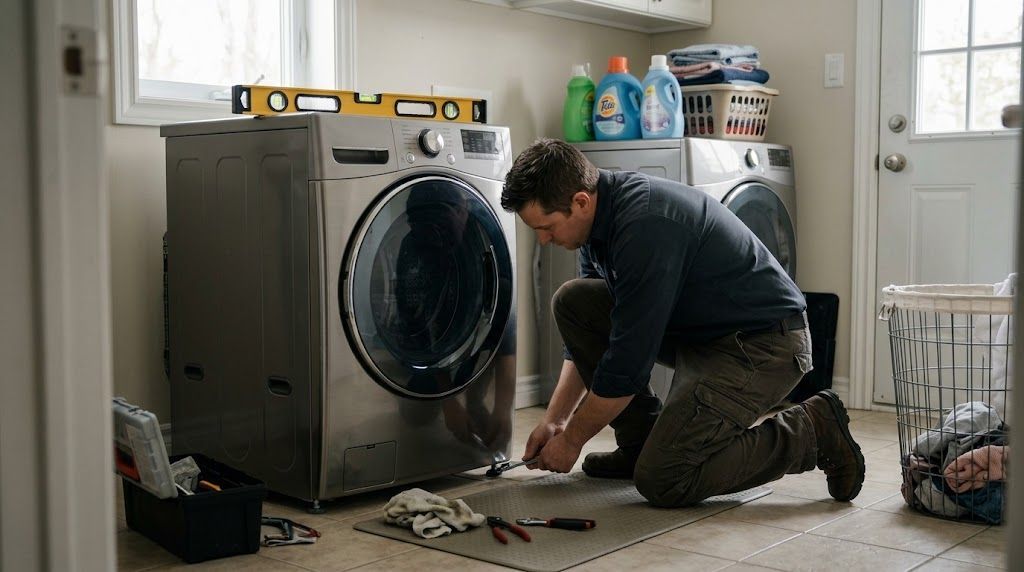
Leveling means adjusting an appliance so it sits evenly from side to side and from front to back. Most major kitchen appliances include adjustable feet or leveling legs that allow installers to compensate for uneven flooring.
Professional installers use precision levels to verify that an appliance is positioned correctly before securing it in place.
Proper leveling helps ensure that:
- Doors close correctly
- Internal components operate efficiently
- Water drains properly
- Weight is evenly distributed
- Moving parts experience less wear
While this may seem like a small adjustment, it has a significant impact on the appliance's overall performance.
Why Floors Are Rarely Perfectly Level
Many homeowners assume their kitchen floor is perfectly flat. In reality, very few homes are completely level.
Several factors contribute to uneven flooring, including:
- Natural settling of the home's foundation
- Remodeling projects
- Flooring replacements
- Structural movement over time
- Variations in subfloor construction
These differences may only measure a fraction of an inch, but modern appliances are sensitive enough that even minor irregularities can affect operation.
Professional installers account for these variations rather than assuming the floor is level.
Why Dishwashers Must Be Properly Leveled
Dishwashers are among the appliances most affected by improper leveling.
Inside every dishwasher, water is carefully distributed through spray arms before draining from the bottom of the tub. This process depends on the appliance sitting level.
If a dishwasher tilts too far forward, backward, or to one side, homeowners may experience:
- Water collecting inside the tub
- Poor drainage
- Door leaks
- Uneven cleaning
- Excessive vibration
- Increased operating noise
An improperly leveled dishwasher may also place extra strain on the door hinges and latch mechanism.
Over time, these small issues can lead to costly repairs.
Why Ovens Need Proper Leveling
Many homeowners associate oven leveling with appearance, but it affects much more than how the appliance looks.
A level oven helps ensure:
- Even baking
- Proper door sealing
- Stable cooking surfaces
- Safe cookware placement
An uneven oven may cause baking sheets or roasting pans to slide unexpectedly.
Cooking liquids can collect on one side of pans, affecting baking results and creating uneven heating.
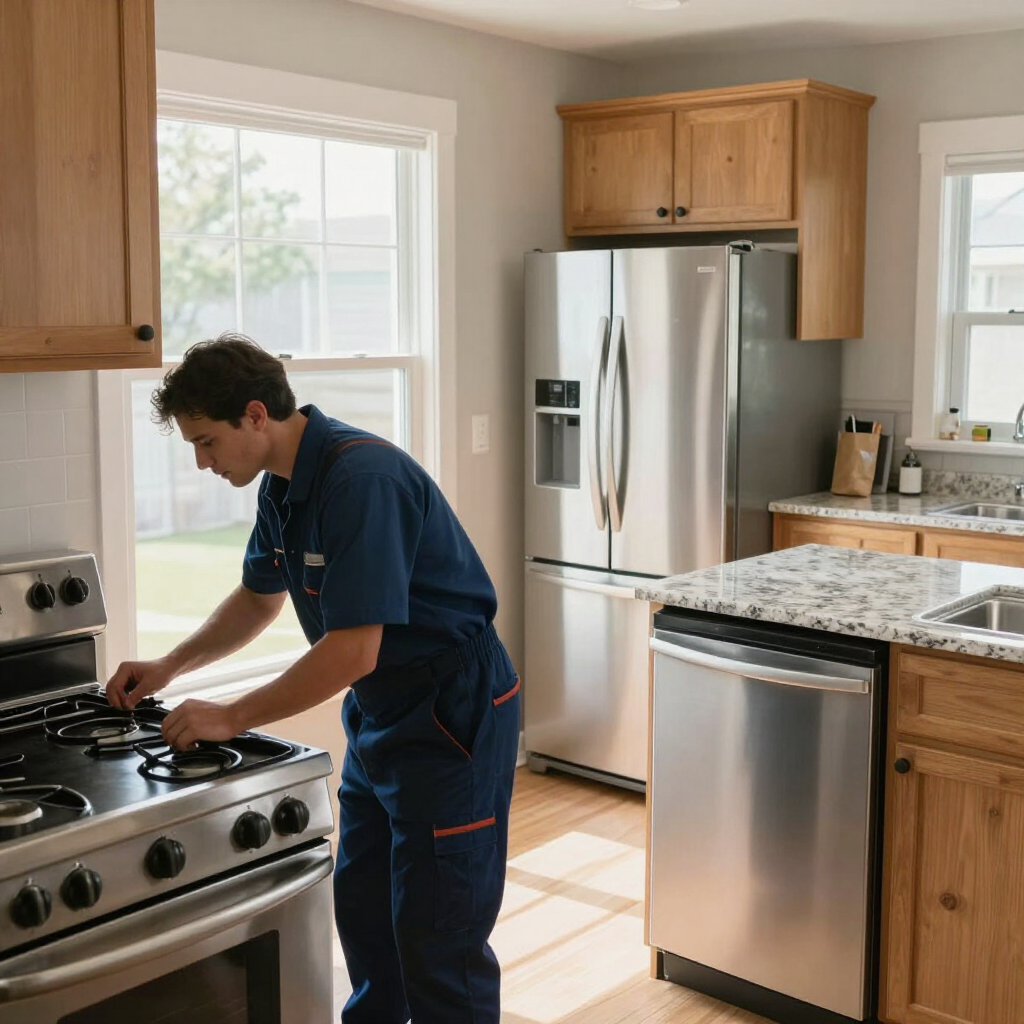
Gas ranges also benefit from proper leveling because burner performance is optimized when cookware sits evenly over the flame.
Refrigerators Also Depend on Proper Leveling
Refrigerators contain several components that function best when the appliance is level.
These include:
- Door seals
- Compressor systems
- Ice makers
- Water dispensers
- Interior shelving
A refrigerator that leans too far forward may have doors that swing open unexpectedly.
If it leans backward excessively, doors may become difficult to close completely.
Poor door sealing forces the compressor to work harder, increasing energy consumption and reducing appliance lifespan.
Proper leveling also helps prevent unnecessary vibration and operating noise.
Built-In Appliances Require Extra Precision
Built-in appliances demand even greater attention during leveling because they become part of the cabinetry.
Examples include:
- Built-in dishwashers
- Wall ovens
- Built-in refrigerators
- Warming drawers
- Built-in coffee systems
If these appliances are not level:
- Cabinet gaps become noticeable
- Doors may rub against surrounding cabinetry
- Trim pieces may not align properly
- Future servicing becomes more difficult
Professional leveling ensures both proper function and a clean, finished appearance.
Leveling Protects Appliance Components
Many internal appliance components are designed to operate under balanced conditions.
An uneven appliance may place additional stress on:
- Hinges
- Rollers
- Motors
- Pumps
- Door seals
- Compressors
- Mounting brackets
Although these components may continue functioning initially, unnecessary stress often shortens their useful life.
Proper leveling helps reduce wear throughout the appliance.
Poor Leveling Can Lead to Water Damage
For appliances connected to plumbing, leveling directly affects water management.
Dishwashers depend on gravity to move water through the appliance during each cycle.
Improper leveling may result in:
- Standing water
- Slow drainage
- Overflow conditions
- Door leaks
- Moisture beneath cabinets
Even small leaks can cause extensive damage over time.
Professional installers verify leveling before testing water-related appliances.
Noise Often Indicates a Leveling Problem
Many homeowners assume appliance noise is caused by a manufacturing defect.
In reality, excessive vibration frequently results from improper leveling.
Common symptoms include:
- Rattling
- Vibrating cabinets
- Humming
- Door movement
- Appliance shifting
Correcting the appliance's position often eliminates these issues without requiring repairs.
Why Leveling Is More Than Adjusting the Front Legs
A common misconception is that leveling simply involves raising or lowering the front feet.
Professional installers evaluate the appliance as a complete unit.
They consider:
- Floor slope
- Cabinet alignment
- Rear support
- Appliance weight distribution
- Door operation
- Final positioning
This comprehensive approach produces a stable installation that remains reliable over time.
Why DIY Leveling Often Falls Short
Some homeowners attempt to level appliances after installation using visual judgment alone.
Unfortunately, appearances can be misleading.
Without professional tools, it is difficult to determine whether an appliance is level in multiple directions.
DIY adjustments may also create new problems, including:
- Twisting the appliance frame
- Uneven weight distribution
- Loose mounting brackets
- Improper cabinet alignment
Professional installers use precision equipment to verify every adjustment.
How Professional Installers Level Appliances
Proper leveling follows a systematic process.
Professional installers typically:
- Measure the floor.
- Position the appliance.
- Adjust all leveling legs as needed.
- Verify side-to-side alignment.
- Verify front-to-back alignment.
- Check door operation.
- Confirm appliance stability.
- Test appliance performance.
- Make final adjustments if necessary.
This careful process helps ensure the appliance operates exactly as intended.
The Importance of Experience
Recognizing leveling issues often comes from years of practical experience.
Installers who have worked in hundreds of kitchens quickly recognize subtle floor variations and cabinet irregularities that may not be obvious to homeowners.
Adept Installation has more than forty years of experience installing appliances throughout Manchester, Missouri. Their installation process includes careful leveling of every appliance, whether it is a dishwasher, wall oven, refrigerator, or custom built-in unit.
By taking the time to level each appliance correctly, they help homeowners avoid unnecessary repairs, improve appliance performance, and protect their investment for years to come.
Frequently Asked Questions
Can an appliance become unlevel over time?
Yes. Natural settling of a home, flooring movement, or heavy use may occasionally require minor adjustments.
Will improper leveling void my appliance warranty?
While warranty terms vary by manufacturer, damage caused by improper installation may not be covered. Professional installation helps ensure manufacturer requirements are met.
Can uneven flooring always be corrected?
In most cases, yes. Adjustable leveling legs allow installers to compensate for minor floor irregularities without modifying the flooring itself.
How can I tell if my appliance is not level?
Signs include unusual vibration, poor drainage, uneven cooking, doors that do not close properly, excessive noise, or visible gaps between the appliance and surrounding cabinetry.
A Small Adjustment That Makes a Big Difference
Proper leveling is one of the most overlooked aspects of appliance installation, yet it plays a major role in performance, efficiency, safety, and longevity. Taking the time to level an appliance correctly helps ensure it operates as designed from the very first day.
For homeowners in Manchester, Missouri, professional installation provides the confidence that every detail—including leveling—has been handled with care and precision.
Whether you are replacing a dishwasher, installing a wall oven, upgrading your refrigerator, or completing a full kitchen renovation, Adept Installation provides professional appliance installation services backed by more than forty years of experience.
Phone: (314) 303-3288
Email:
jrcxtreme@gmail.com
Need Professional Appliance Installation?
Trust Adept Installation for clean, reliable service in St. Louis and surrounding counties.
Contact us today to get started.
Recent Posts