7 Signs Your Kitchen Needs Modifications Before Installing New Appliances
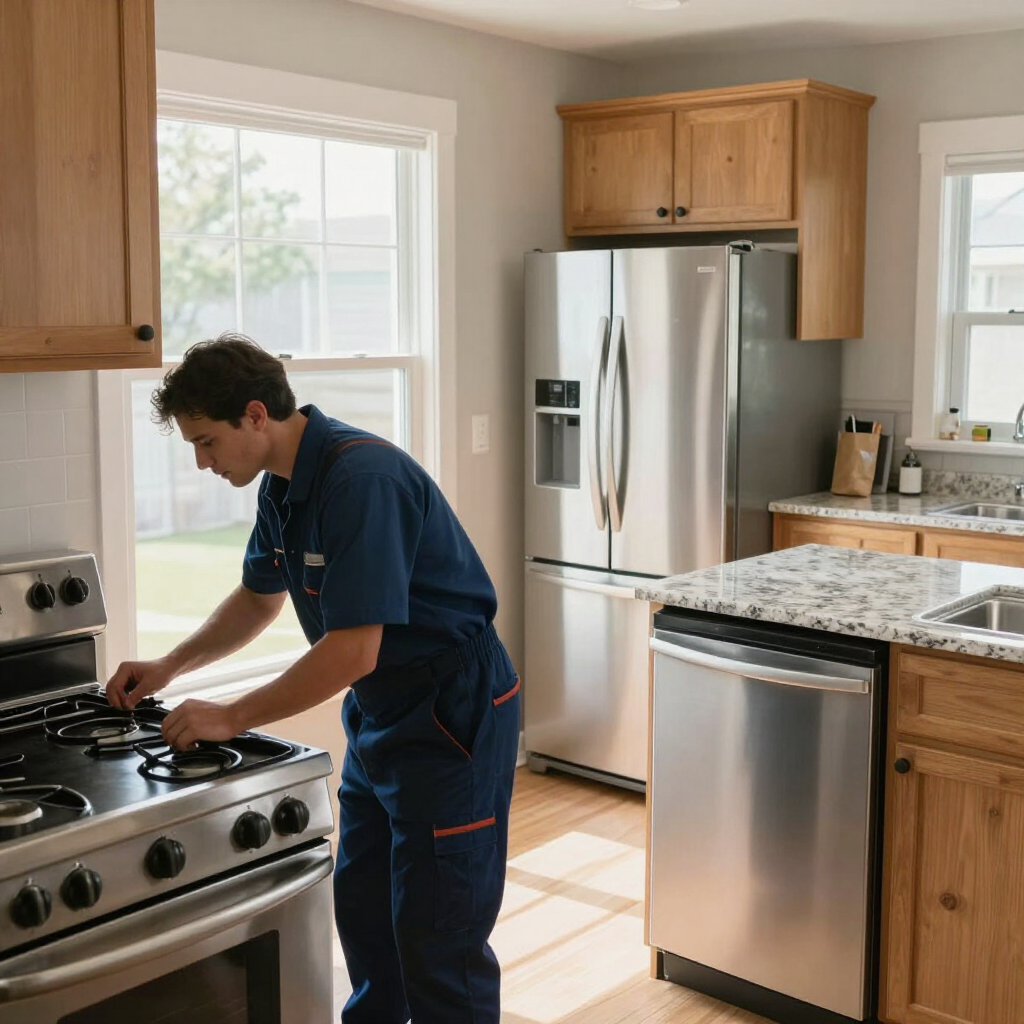
Replacing a dishwasher, oven, cooktop, or refrigerator should be an exciting home improvement project. New appliances offer better performance, increased energy efficiency, quieter operation, and modern features that make everyday life more convenient. However, many homeowners discover that installing a new appliance is not always as simple as removing the old one and sliding the replacement into place.
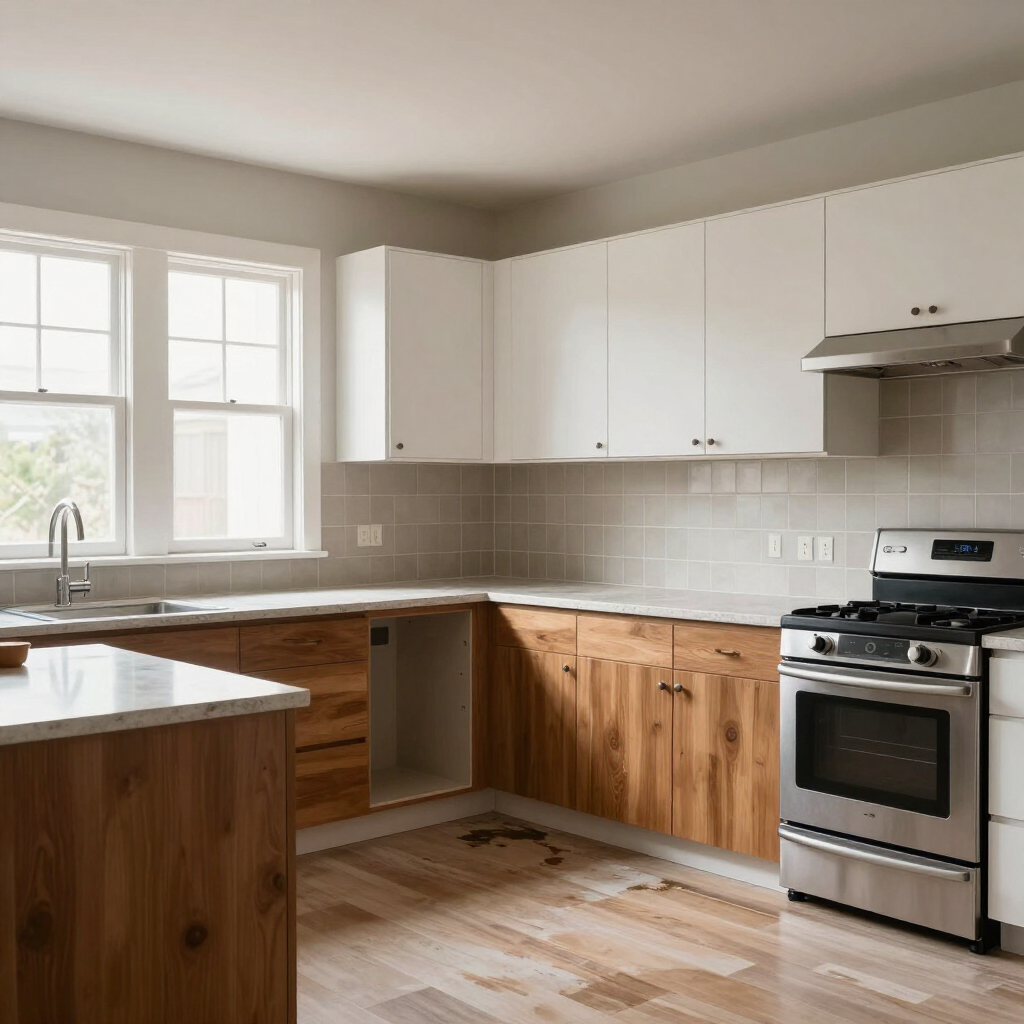
Over time, kitchens change. Cabinets settle, flooring is replaced, countertops are upgraded, plumbing ages, and electrical systems evolve. While these improvements can enhance the appearance of a kitchen, they can also create challenges when it comes time to install new appliances. Even a small change made years ago can affect whether a modern appliance fits correctly or operates safely.
Homeowners in Manchester, Missouri often encounter these situations because many homes in the area were built decades ago and have undergone one or more remodeling projects. As a result, today's appliance dimensions and installation requirements may not perfectly match existing kitchen layouts.
Recognizing the signs that your kitchen may need modifications before installation can help you avoid delays, unexpected costs, and unnecessary frustration. This guide explains seven common indicators that your kitchen may require professional adjustments before your new appliance is installed.
Sign 1: Your Existing Appliance Was Difficult to Remove
One of the clearest signs that your kitchen may need modifications is when the old appliance is difficult—or even impossible—to remove.
This is especially common with dishwashers.
Many homeowners are surprised to learn that a dishwasher installed twenty years ago slides out only after significant effort, or not at all. In many cases, this is because new flooring was installed after the original dishwasher was placed beneath the countertop.
Instead of removing the cabinets during the flooring project, installers simply installed flooring around the existing appliance. The result is a smaller cabinet opening than originally intended.
If an old appliance cannot be removed easily, installing a new one is likely to present similar challenges.
Professional installers evaluate the surrounding cabinetry, flooring, and countertop before determining the safest solution.
Sign 2: Your Floors Have Been Updated
Kitchen flooring has changed dramatically over the years.
Many homeowners have upgraded from vinyl flooring to:
- Hardwood
- Luxury vinyl plank
- Ceramic tile
- Porcelain tile
- Engineered hardwood
While these upgrades improve appearance and durability, they also increase the height of the finished floor.
Even an additional half inch can affect appliance clearance.
This commonly creates problems with:
- Dishwashers
- Slide-in ranges
- Built-in refrigerators
- Built-in wine coolers
Flooring modifications rarely cause problems immediately. Instead, they become apparent years later when appliances need replacement.
An experienced installer can determine whether flooring changes have reduced the available opening and recommend appropriate solutions.
Sign 3: Your Cabinets Show Signs of Age or Water Damage
Cabinets are designed to support appliances, countertops, and years of daily use.
However, moisture, age, and previous repairs can weaken their structural integrity.
Look for signs such as:
- Soft cabinet bottoms
- Swollen wood
- Warped doors
- Loose frames
- Visible water stains
- Sagging shelves
These conditions may indicate hidden moisture damage from previous plumbing leaks or appliance failures.
Installing a heavy built-in appliance into weakened cabinetry may worsen the damage or create safety concerns.
Professional installers inspect cabinet condition before beginning installation and recommend reinforcement or repairs when necessary.
Sign 4: You Have Never Updated Your Plumbing or Shut-Off Valves
Many homeowners focus entirely on the appliance while overlooking the plumbing that supports it.
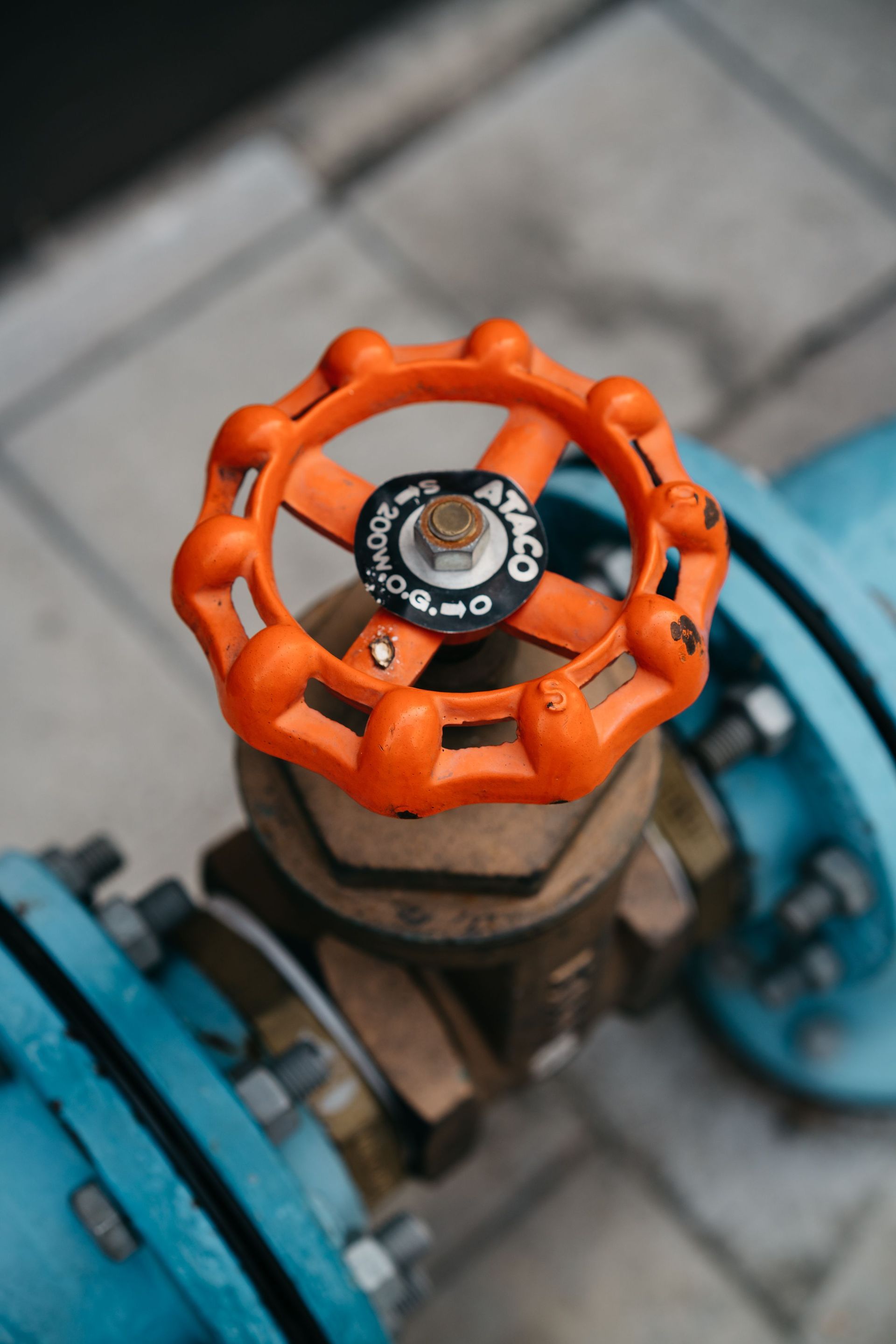
If your home's shut-off valves, supply lines, or drain connections have not been updated in many years, they deserve careful inspection before installation.
Common warning signs include:
- Corrosion
- Mineral buildup
- Stiff shut-off valves
- Slow leaks
- Rust around fittings
Replacing aging plumbing components during appliance installation is often much easier than addressing a leak after the new appliance is in place.
Older plumbing may still function, but that does not necessarily mean it is ready for another decade of service.
Sign 5: Your Kitchen Has Been Remodeled More Than Once
Many Manchester homes have beautiful kitchens that reflect years of thoughtful improvements.
However, multiple remodeling projects sometimes create unintended complications.
For example:
One contractor installs new cabinets.
Several years later, another installs granite countertops.
Later still, new flooring is added.
Finally, a homeowner purchases a larger dishwasher or built-in oven.
Each individual improvement may have been completed correctly, but together they can create dimensional conflicts that only become apparent during appliance installation.
Professional installers understand how to evaluate kitchens that have evolved over time and identify potential conflicts before installation begins.
Sign 6: Your Appliances Are No Longer Standard Sizes
Today's appliances offer features that were uncommon just a decade ago.
Examples include:
- Larger capacity dishwashers
- Double wall ovens
- Counter-depth refrigerators
- Professional-style ranges
- Built-in coffee systems
- Steam ovens
Although manufacturers generally follow industry standards, exact dimensions vary.
A replacement appliance that is only slightly larger than the previous model may require cabinet adjustments or utility relocation.
Measuring carefully before purchase helps prevent surprises.
Professional installers routinely compare appliance specifications with the existing kitchen layout to determine compatibility.
Sign 7: Previous Installations Look Improvised
Sometimes the biggest clues come from looking closely at the existing installation.
Warning signs include:
- Uneven gaps around appliances
- Trim pieces added to hide openings
- Visible shims
- Crooked appliances
- Cabinet damage
- Exposed plumbing
- Loose mounting brackets
These issues often indicate that previous installers had difficulty fitting the appliance and created temporary solutions instead of addressing the underlying problem.
Rather than repeating these shortcuts, experienced professionals evaluate why the original installation required modifications and develop a permanent solution.
Why Small Problems Become Bigger Over Time
Many kitchen modification issues develop gradually.
A tiny plumbing leak causes cabinet swelling.
Flooring raises appliance height by less than an inch.
Cabinets settle over decades.
Countertops are replaced with thicker materials.
Each change appears insignificant on its own.
Together, however, they can make installing a new appliance considerably more difficult.
Identifying these issues before installation helps homeowners avoid delays and unexpected costs.
The Value of a Professional Pre-Installation Assessment
One of the most valuable services a professional installer provides is evaluating the kitchen before installation begins.
A thorough assessment includes reviewing:
- Cabinet dimensions
- Countertop clearance
- Flooring height
- Plumbing condition
- Electrical capacity
- Gas connections
- Appliance specifications
- Ventilation requirements
This proactive approach allows potential issues to be addressed before installation day rather than after work has already begun.
Why Experience Makes the Difference
Every kitchen tells a story.
Experienced installers recognize patterns that newer technicians may overlook.
They understand how previous renovations, aging materials, and changing building standards affect modern appliance installations.
Adept Installation has spent more than forty years helping homeowners throughout Manchester, Missouri solve installation challenges that extend far beyond simply connecting a new appliance.
Their expertise includes cabinet modifications, flooring considerations, plumbing adjustments, electrical coordination, and custom appliance fitting. By addressing these factors before installation begins, they help homeowners avoid many of the common problems that lead to delays or expensive repairs.
Frequently Asked Questions
Do all kitchens need modifications before installing new appliances?
No. Many kitchens are already compatible with modern appliances. However, older homes or kitchens that have undergone multiple renovations are more likely to require adjustments.
Can cabinet modifications be completed without replacing the cabinets?
In many cases, yes. Minor modifications can often provide the necessary clearance while preserving the appearance and structural integrity of the existing cabinetry.
Should I buy my appliance before having my kitchen evaluated?
Measuring first is always recommended. Having the installation area evaluated before purchasing helps ensure the appliance you select will fit properly.
Will modifications increase installation time?
Some modifications add time, but addressing them during installation is generally far less disruptive than discovering problems after the appliance has already been delivered.
Planning Ahead Leads to Better Results
Replacing a kitchen appliance should improve your home, not create unnecessary complications. Understanding the signs that your kitchen may need modifications before installation allows you to plan ahead and make informed decisions.
Whether the issue involves cabinets, flooring, plumbing, or electrical systems, addressing these concerns before installation begins helps protect your investment and contributes to years of dependable appliance performance.
For homeowners in Manchester, Missouri, working with an experienced local installer provides the knowledge needed to identify potential issues early and complete installations with precision and care.
To learn more about appliance installation, custom kitchen modifications, water line installation, or built-in appliance fitting, contact Adept Installation during regular business hours.
Phone: (314) 303-3288
Email:
jrcxtreme@gmail.com
Need Professional Appliance Installation?
Trust Adept Installation for clean, reliable service in St. Louis and surrounding counties.
Contact us today to get started.
Recent Posts