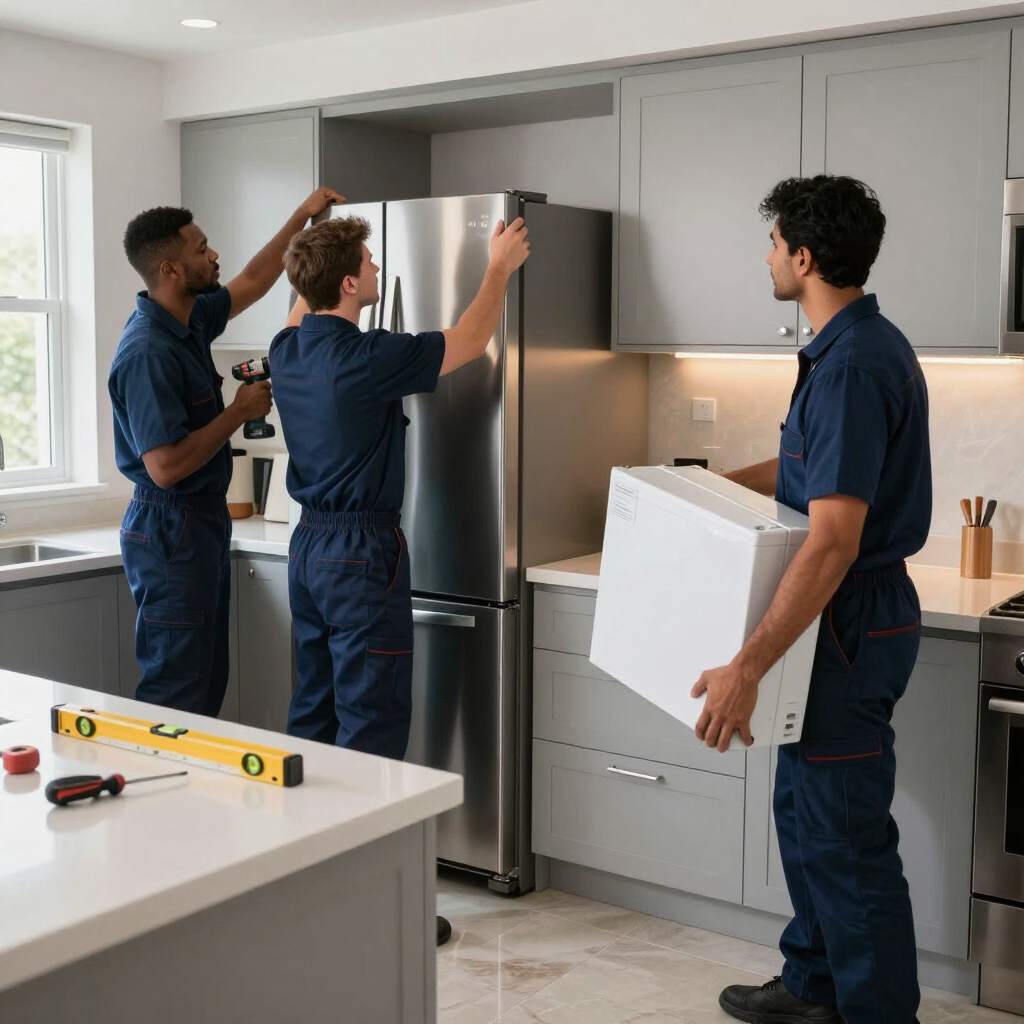
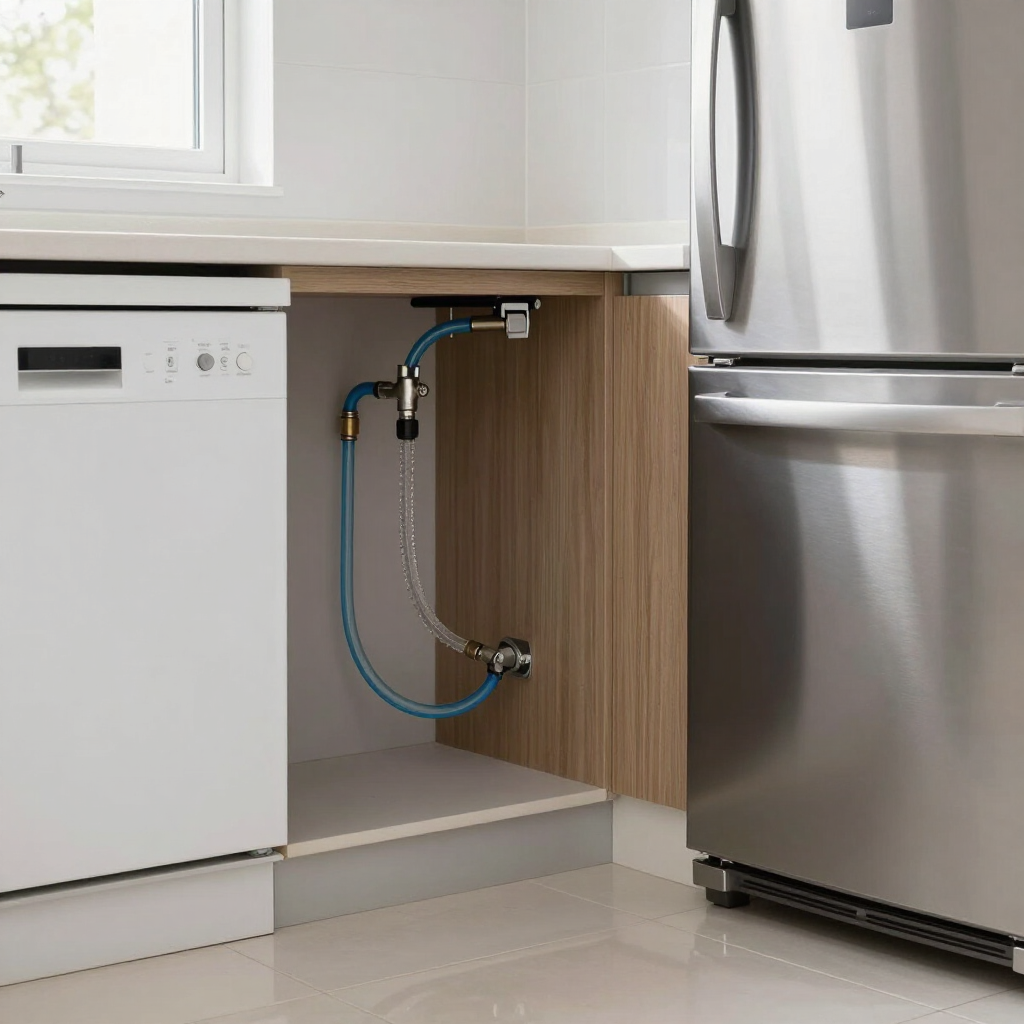
Should You Replace Your Appliance Shut-Off Valves When Installing a New Appliance?
Do You Need to Replace Shut-Off Valves for a New Appliance?
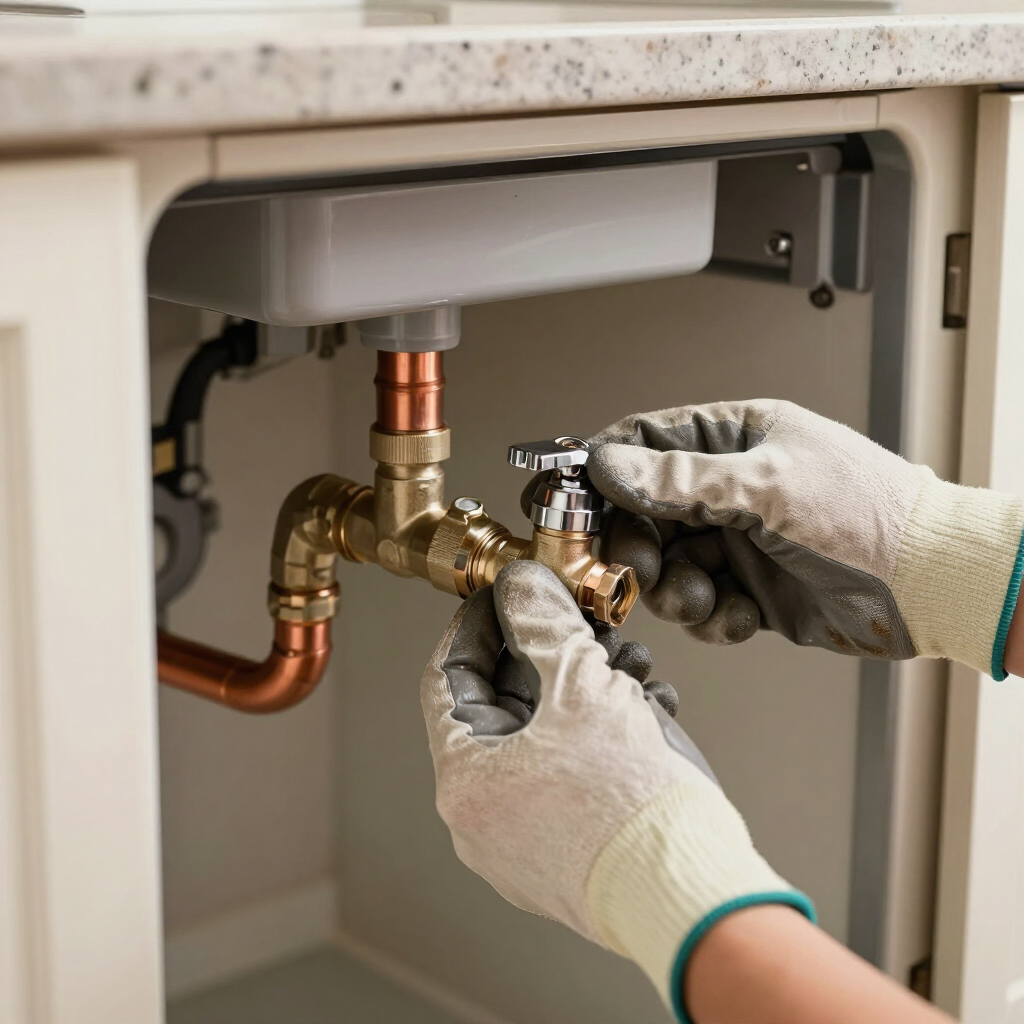
When homeowners purchase a new dishwasher, refrigerator, oven, or other major kitchen appliance, most of their attention is focused on the appliance itself. They compare features, finishes, warranties, and energy efficiency ratings, but often overlook one of the smallest and most important components involved in the installation: the shut-off valve.
Although a shut-off valve may seem like a minor part of your home's plumbing system, it serves a critical purpose. It allows the water or gas supply to be safely isolated whenever maintenance, repairs, or appliance replacement is necessary. When a shut-off valve is old, corroded, or no longer functioning properly, it can complicate an otherwise straightforward appliance installation and increase the risk of leaks or emergency repairs.
For many homeowners in Manchester, Missouri, appliance replacement presents the perfect opportunity to evaluate these valves. Because the appliance is already disconnected and the plumbing or gas connections are accessible, replacing an aging valve is often much simpler than waiting until it fails unexpectedly.
This guide explains what appliance shut-off valves do, why they matter, when they should be replaced, and how proactive maintenance can help protect both your new appliance and your home.
What Is a Shut-Off Valve?
A shut-off valve is a plumbing or gas component that controls the flow of water or fuel to an individual appliance.
Instead of shutting off the water supply to the entire home, a shut-off valve allows one appliance to be isolated while the rest of the plumbing system continues operating normally.
Common household appliances with dedicated shut-off valves include:
- Dishwashers
- Refrigerators with water dispensers
- Refrigerators with ice makers
- Washing machines
- Gas ranges
- Gas ovens
- Gas cooktops
Without a properly functioning shut-off valve, even routine appliance maintenance can become significantly more complicated.
Why Shut-Off Valves Matter
Many homeowners never think about their shut-off valves because they remain hidden beneath sinks, behind appliances, or inside cabinets.
However, these valves perform several important functions.
They allow installers to:
- Disconnect appliances safely
- Replace appliances without shutting off the home's main water supply
- Perform repairs efficiently
- Isolate plumbing leaks
- Minimize water damage during emergencies
A shut-off valve that fails to close completely can turn a simple installation into a plumbing repair.
How Long Do Shut-Off Valves Last?
Like every plumbing component, shut-off valves have a lifespan.
Several factors influence how long they remain reliable, including:
- Water quality
- Frequency of use
- Valve material
- Installation quality
- Mineral content in the water supply
Ironically, shut-off valves that are rarely used often develop problems because mineral deposits accumulate inside the valve over many years.
Homeowners may not discover the problem until the day they need to replace an appliance.
Common Signs a Shut-Off Valve Should Be Replaced
There are several warning signs that indicate a shut-off valve may be approaching the end of its useful life.
The Valve Is Difficult to Turn
A valve should operate smoothly.
If excessive force is required, internal corrosion or mineral buildup may be preventing proper operation.
Forcing the valve can sometimes cause it to fail completely.
The Valve Leaks When Turned
A valve that begins dripping around the handle after being opened or closed should be inspected immediately.
Even a slow leak can cause cabinet damage over time.
The Valve Will Not Shut Off Completely
One of the most common problems installers encounter is a valve that appears to close but continues allowing water to flow.
This prevents safe appliance removal until additional plumbing work is completed.
Visible Corrosion
Rust, green discoloration, or white mineral deposits around the valve often indicate aging components.
Although surface corrosion does not always mean immediate failure, it frequently suggests replacement should be considered.
The Valve Is Decades Old
Many homes still have original shut-off valves installed when the house was built.
Even if these valves appear functional, replacing them during appliance installation can help avoid future problems.
Why Appliance Installation Is the Ideal Time for Replacement
Replacing a shut-off valve after a new appliance has already been installed often requires disconnecting the appliance again.
By comparison, replacing the valve during installation offers several advantages.
The appliance has already been removed.
The plumbing is fully accessible.
The installer can inspect surrounding components.
Testing can be completed before reconnecting the appliance.
This approach minimizes disruption while improving long-term reliability.
Water Shut-Off Valves for Dishwashers
Dishwashers depend on a reliable water supply throughout every wash cycle.
An aging shut-off valve increases the risk of:
- Slow leaks
- Reduced water flow
- Valve failure during future maintenance
- Emergency plumbing issues
Professional installers routinely inspect dishwasher shut-off valves whenever an appliance is replaced.
Replacing a questionable valve during installation is often far less expensive than repairing water damage later.
Refrigerator Water Supply Valves
Refrigerators equipped with ice makers and water dispensers require dependable water connections.
Unlike dishwashers, refrigerators often remain in place for many years without being moved.
As a result, shut-off valves behind refrigerators may go untouched for a decade or longer.
When replacement eventually becomes necessary, homeowners are sometimes surprised to discover the valve no longer operates properly.
Installing a new valve during refrigerator replacement helps ensure dependable operation for years to come.
Gas Shut-Off Valves Are Equally Important
Gas appliances rely on properly functioning shut-off valves for safe operation.
These valves allow installers to disconnect appliances without interrupting gas service throughout the rest of the home.
Gas shut-off valves should always be:
- Easily accessible
- Free of corrosion
- Fully operational
- Installed according to current safety standards
Professional installers inspect gas valves carefully before reconnecting any appliance.
Modern Shut-Off Valves Offer Better Reliability
Today's shut-off valves are generally more reliable than many older designs.
Modern materials provide improved resistance to:
- Corrosion
- Mineral buildup
- Wear
- Leakage
Although no plumbing component lasts forever, updated valves typically require less maintenance and provide greater peace of mind.
Why Homeowners Should Avoid DIY Valve Replacement
Because shut-off valves appear relatively simple, some homeowners consider replacing them without professional assistance.
However, improper installation can lead to:
- Water leaks
- Damaged plumbing
- Incorrect fittings
- Reduced water pressure
- Flooding
Gas shut-off valves present even greater safety concerns and should always be handled by qualified professionals.
The Importance of Inspection During Every Installation
Professional appliance installation involves more than connecting utilities.
Experienced installers inspect every accessible component to identify potential problems before they become emergencies.
During installation they typically evaluate:
- Water supply lines
- Drain connections
- Shut-off valves
- Gas valves
- Electrical connections
- Cabinet condition
This thorough approach helps homeowners avoid unexpected repairs after installation is complete.
Why Experience Matters
Recognizing whether a shut-off valve should be replaced requires experience.
Some valves that appear acceptable may already show early signs of failure, while others continue operating reliably despite their age.
Adept Installation has more than forty years of experience installing appliances throughout Manchester, Missouri. During every installation, they carefully evaluate existing plumbing components, including shut-off valves, supply lines, and utility connections.
Rather than simply connecting a new appliance to aging infrastructure, they help homeowners identify opportunities to improve long-term reliability and reduce the risk of future plumbing problems.
Frequently Asked Questions
Do shut-off valves need regular maintenance?
Although they require very little routine maintenance, shut-off valves should be operated occasionally to help prevent mineral buildup and ensure they continue functioning properly.
Should every shut-off valve be replaced when installing a new appliance?
Not necessarily. If the valve is in good condition and operates correctly, replacement may not be needed. A professional inspection can determine whether replacement is recommended.
How can I tell if my shut-off valve is leaking?
Look for moisture, water stains, corrosion, or mineral deposits around the valve. Even small drips should be addressed promptly.
Is replacing a shut-off valve expensive?
Replacing a shut-off valve during appliance installation is generally much more cost-effective than waiting until the valve fails unexpectedly and causes water damage.
Protecting Your New Appliance Starts Behind the Cabinet
A new appliance represents a significant investment, but its long-term performance depends on more than the appliance itself. The plumbing and utility connections hidden behind cabinets play an equally important role.
By inspecting and, when necessary, replacing aging shut-off valves during appliance installation, homeowners can reduce the risk of leaks, simplify future maintenance, and improve overall reliability.
For homeowners in Manchester, Missouri, professional installation provides the added benefit of experienced eyes evaluating every part of the installation—not just the appliance itself.
Whether you are replacing a dishwasher, refrigerator, oven, or another kitchen appliance, Adept Installation provides professional installation services backed by more than four decades of hands-on experience. Their attention to detail helps ensure every installation is completed safely, efficiently, and with long-term performance in mind.
Phone: (314) 303-3288
Email:
jrcxtreme@gmail.com
Recent Posts