Oven Installation Requirements: Electrical, Gas, and Safety Explained
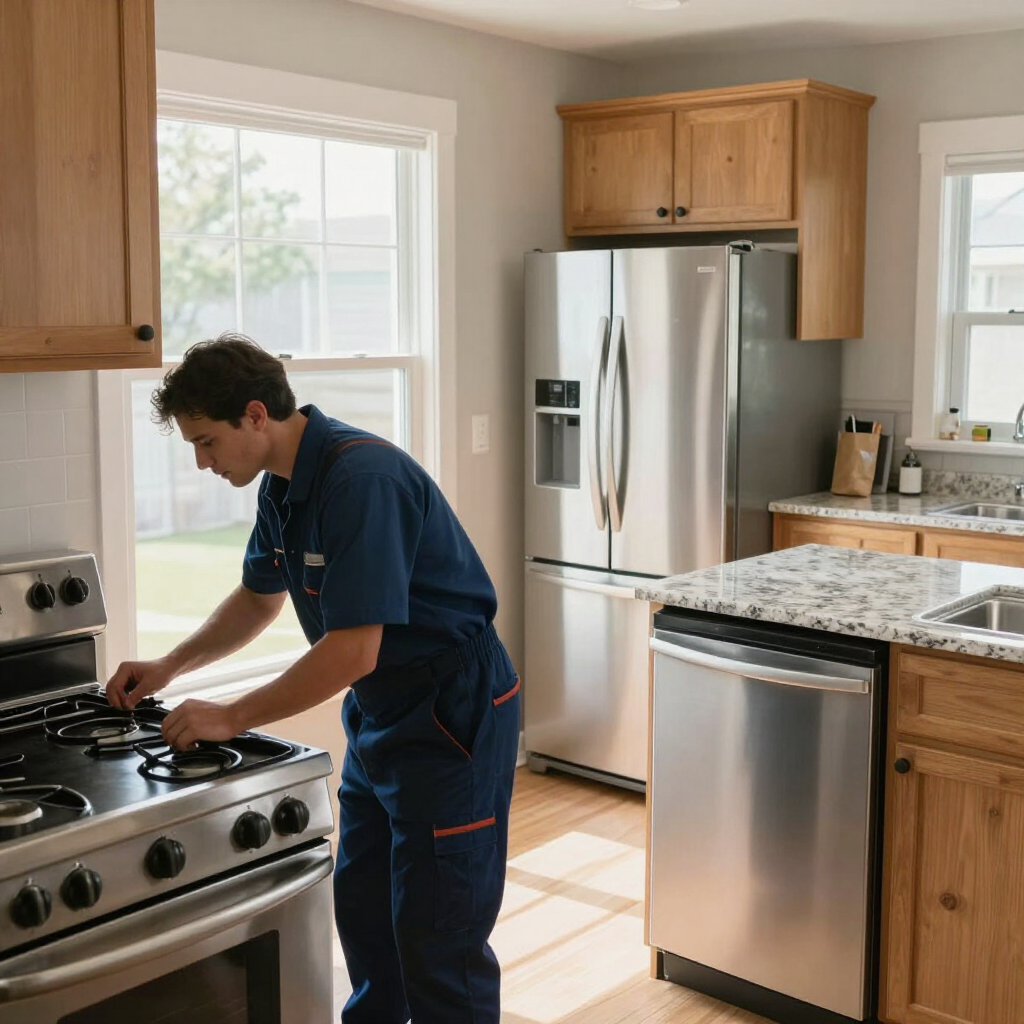
Oven installation is one of the most technically demanding appliance installations in a home. Unlike plug-in appliances, ovens often require high-voltage electrical connections or gas hookups, strict clearance requirements, and precise cabinet fitting. When these requirements are not followed exactly, the risks can include fire hazards, gas leaks, appliance failure, and voided warranties.
Many homeowners in Manchester, Missouri are surprised to learn that oven installation involves more than sliding an appliance into place and turning it on. This guide explains the key electrical, gas, and safety requirements involved in oven installation, helping homeowners understand what is required and why professional installation is often the safest option.
Understanding Different Types of Ovens
Before reviewing installation requirements, it is important to understand the different oven types commonly found in residential kitchens. Each type has its own installation considerations.
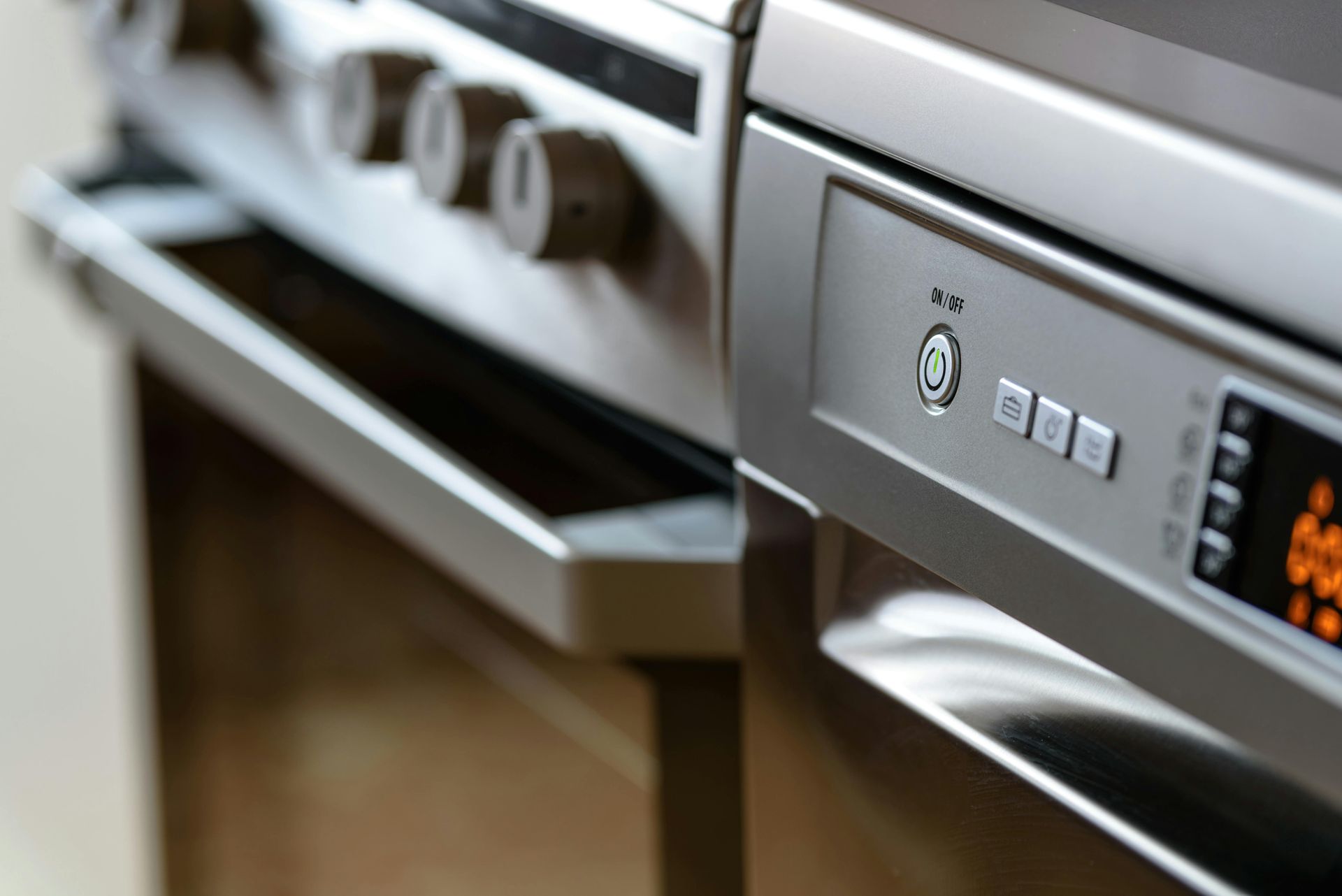
Freestanding ovens combine a cooktop and oven in one unit and typically slide between base cabinets. Slide-in ovens offer a built-in appearance but still function as a single unit. Wall ovens are installed directly into cabinetry and may be single or double units.
Each configuration requires accurate clearance measurements, structural support, and proper utility connections. Installing the wrong type of oven for a kitchen layout can lead to costly modifications or unsafe conditions.
Electrical Oven Installation Requirements
Electric ovens require a dedicated electrical circuit capable of handling high voltage and amperage. Most electric ovens operate on a 240-volt circuit, which is significantly more powerful than standard household outlets.
Key electrical requirements include:
- A dedicated circuit breaker
- Correct wire gauge for the oven’s amperage
- Proper grounding
- Manufacturer-approved outlet or hardwired connection
Using an undersized circuit or incorrect wiring can cause breakers to trip, damage the appliance, or create a fire risk. In older Manchester homes, electrical panels may need upgrades to safely support a new electric oven.
Professional installers verify electrical capacity before installation and ensure connections meet safety standards.
Gas Oven Installation Requirements
Gas ovens require a properly installed gas supply line and shut off valve. The connection must be secure, leak-free, and compliant with safety regulations.
Gas installation requirements include:
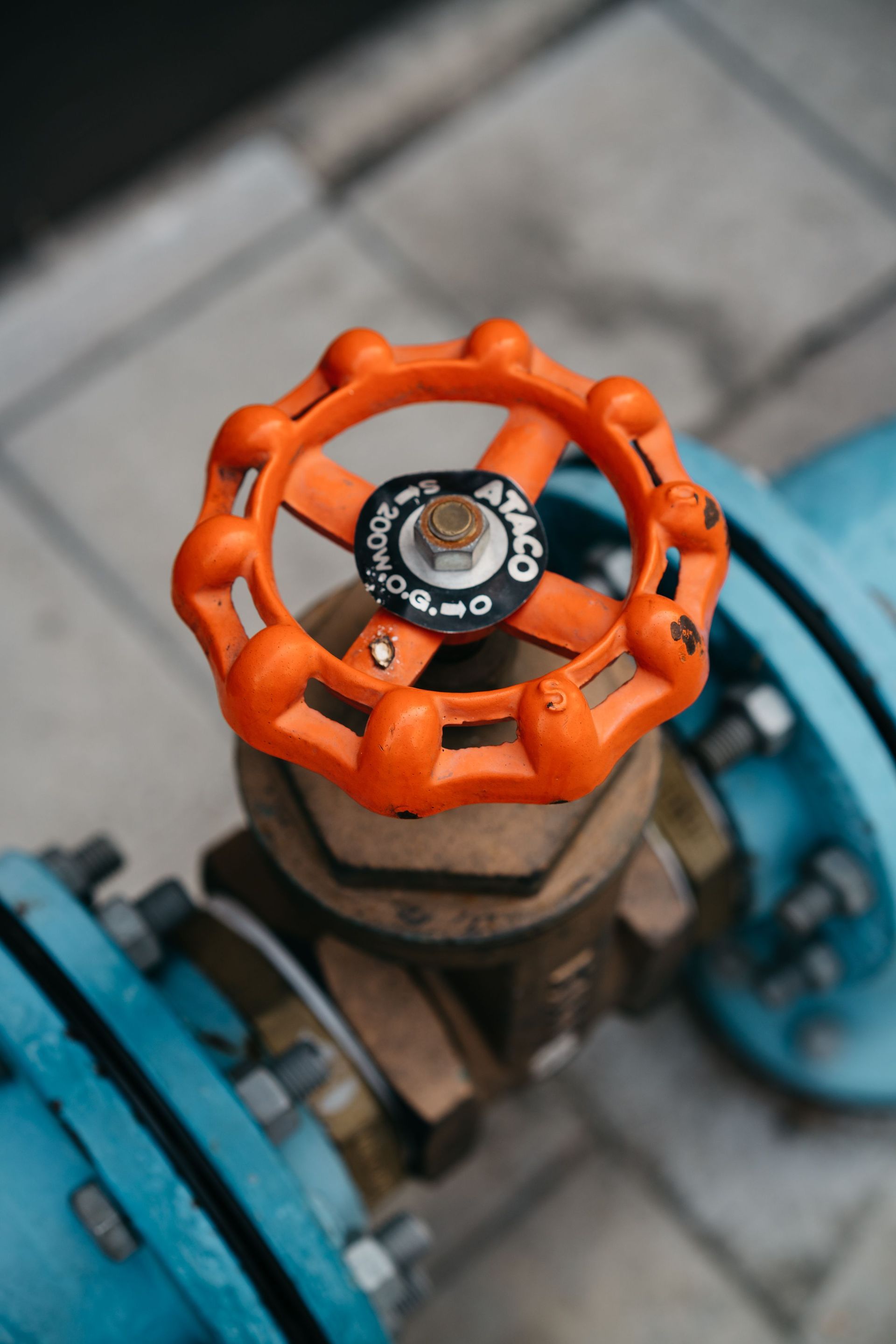
- A dedicated shut off valve within reach of the oven
- Correct gas line sizing
- Pressure testing to detect leaks
- Proper ventilation clearances
Even a small gas leak can pose serious health and safety risks. Improper connections may not be immediately noticeable, which is why professional testing is critical during installation.
In homes where a gas oven is being installed for the first time, additional plumbing work may be required to run a gas line safely to the kitchen.
Ventilation and Clearance Requirements
All ovens require adequate clearance and ventilation to operate safely. Clearance requirements vary by manufacturer and oven type, but they generally specify minimum distances from cabinets, walls, and combustible materials.
Improper clearance can trap heat, damage cabinetry, and reduce appliance lifespan. Wall ovens, in particular, require precise cabinet dimensions and ventilation openings to prevent overheating.
Professional installers follow manufacturer specifications exactly, ensuring that the oven operates efficiently without risking surrounding materials.
Built-In and Wall Oven Cabinet Requirements
Wall ovens and built-in ovens require cabinetry that can support the weight of the appliance while maintaining proper alignment. Cabinets must be level, square, and reinforced as needed.
Many installation problems occur when cabinets are not designed for modern oven dimensions. Attempting to force an oven into an undersized opening can damage the appliance and cabinetry.
Professional installers assess cabinet structure and make necessary adjustments to ensure a safe and secure fit.
Flooring and Height Considerations
Flooring changes are a common issue in oven installation. When kitchens are remodeled, new flooring may raise the floor height, affecting how an oven fits between cabinets.
An oven that is installed without accounting for flooring height may sit too high, tilt, or fail to align with countertops. Removing flooring incorrectly to make room can compromise the kitchen’s appearance and integrity.
Experienced installers evaluate flooring conditions and adjust installation methods to achieve a clean, level result.
Safety Risks of Improper Oven Installation
Improper oven installation carries serious risks. Electrical ovens with incorrect wiring may overheat or short circuit. Gas ovens with faulty connections can leak gas into the home. Poor ventilation can lead to excessive heat buildup and appliance failure.
In addition to safety hazards, improper installation often voids manufacturer warranties. If a problem occurs later, homeowners may be responsible for repair or replacement costs that would otherwise be covered.
Why Professional Installation Matters
Professional oven installation ensures that all electrical, gas, and structural requirements are met. Installers follow a step-by-step process that includes inspection, preparation, precise installation, and testing.
Adept Installation brings decades of experience to oven installation projects in Manchester, Missouri. Their work often includes cabinet modifications, electrical adjustments, and plumbing coordination to ensure that each oven is installed correctly and safely.
This level of expertise is especially important in older homes or kitchens with custom layouts.
Testing and Final Verification
Once the oven is installed, professional installers perform thorough testing. For electric ovens, this includes verifying proper voltage, heating performance, and control operation. For gas ovens, installers check for leaks, confirm ignition, and ensure consistent flame performance.
Testing confirms that the oven operates as intended and that no safety issues remain.
Frequently Asked Questions
Can I install an oven myself?
Oven installation involves electrical or gas work that carries safety risks. Professional installation is recommended for most homes.
Do I need a permit to install an oven?
Permit requirements vary depending on whether electrical or gas modifications are required. A professional installer can help determine if a permit is needed.
Can I switch from gas to electric or electric to gas?
Yes, but switching fuel types often requires additional electrical or plumbing work.
How long does professional oven installation take?
Most installations take two to four hours, depending on the complexity of the setup.
Choosing the Right Installer in Manchester, Missouri
Choosing an experienced local installer ensures that oven installation is handled correctly from start to finish. Knowledge of local housing conditions, older construction methods, and modern appliance requirements helps prevent costly mistakes.
Adept Installation serves homeowners in Manchester and surrounding areas during regular business hours, providing reliable oven installation backed by decades of hands-on experience.
Phone: (314) 303-3288
Email: jrcxtreme@gmail.com
Need Professional Appliance Installation?
Trust Adept Installation for clean, reliable service in St. Louis and surrounding counties.
Contact us today to get started.
Recent Posts