How to Prepare Your Kitchen for a New Appliance Installation
Purchasing a new appliance is an exciting investment that can improve your kitchen's functionality, efficiency, and appearance. However, one of the most overlooked parts of the process happens before the installer even arrives. Proper preparation can make the installation faster, safer, and far less stressful for everyone involved.
Many homeowners assume appliance installation begins when the delivery truck arrives. In reality, a successful installation starts days before with careful planning. Measuring spaces, checking utility connections, clearing work areas, and understanding your home's existing conditions can prevent unexpected delays and additional expenses.
For homeowners in Manchester, Missouri, preparation is especially important because many homes were built years before today's appliance dimensions and utility requirements became standard. Remodeling projects completed over the years can also introduce challenges that are not immediately obvious until installation day.
This guide explains exactly how to prepare your kitchen before a new appliance is installed, whether you're replacing a dishwasher, oven, range, or another built-in appliance.
Start by Measuring the Installation Space
The most common installation problem homeowners encounter is purchasing an appliance that does not fit the available space.
Although manufacturers advertise "standard sizes," actual dimensions vary slightly between brands and even between models from the same manufacturer.
Before purchasing any appliance, carefully measure:
- Opening width
- Opening height
- Opening depth
- Distance to nearby walls
- Countertop overhang
- Door swing clearance
- Hallways and doorways leading into the kitchen
Measure in several locations rather than assuming every side is perfectly square.
Older kitchens frequently have slight variations caused by settling or previous remodeling projects.
Accurate measurements reduce surprises on installation day.
Verify Utility Connections
Every appliance depends on utilities, but not every kitchen has the proper connections already in place.
Before installation, identify whether your new appliance requires:
- Electrical power
- Water supply
- Drain connection
- Natural gas
- Propane
- Ventilation
A dishwasher requires plumbing, drainage, and electricity.
An electric wall oven requires a dedicated high-voltage electrical circuit.
A gas range requires an approved gas supply and shut-off valve.
Understanding these requirements ahead of time allows any necessary upgrades to be completed before installation is scheduled.
Inspect Existing Plumbing
Water-related appliances deserve extra attention because even small plumbing issues can become major problems after installation.
Take a few minutes to inspect:
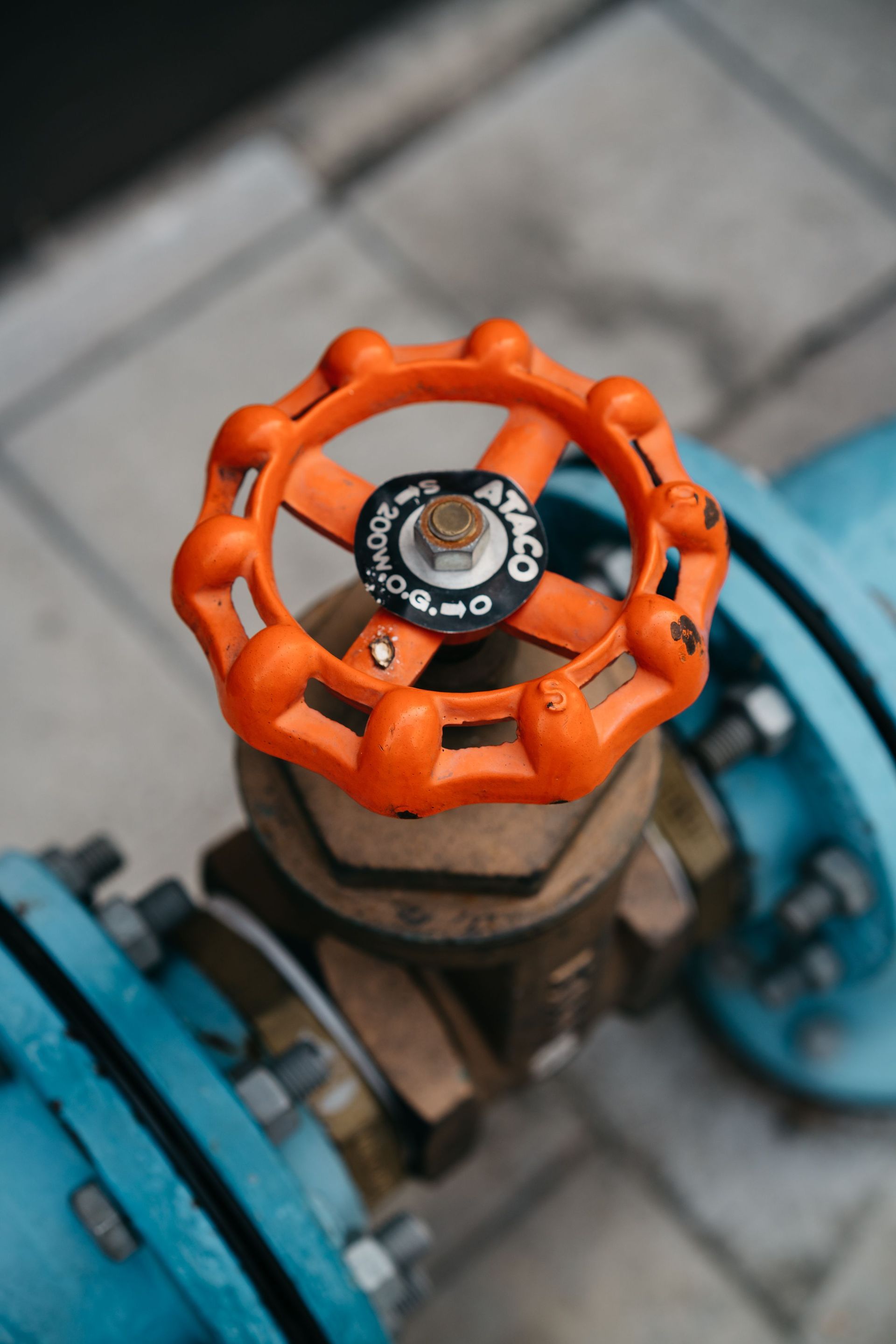
- Shut-off valves
- Supply lines
- Drain hoses
- Sink plumbing
- Signs of previous leaks
Corrosion, mineral buildup, or aging supply lines should be replaced before connecting a brand-new appliance.
This is especially important if the previous appliance has been installed for many years.
Evaluate Your Electrical System
Older homes throughout Manchester often have electrical systems that were designed decades before modern appliances became more powerful.
Check whether your electrical panel has:
- Available breaker space
- Proper breaker size
- Modern grounding
- Correct outlet configuration
Never assume an existing outlet automatically meets the requirements for a new appliance.
Professional installers routinely discover improperly wired outlets that worked with older appliances but no longer meet manufacturer specifications.
Make Sure Gas Connections Are Safe
If you're installing a gas appliance, preparation should include verifying the location and accessibility of the gas shut-off valve.
Look for:
- Visible corrosion
- Damaged fittings
- Difficult valve access
- Signs of previous repairs
Never attempt to modify gas lines yourself.
Professional installers inspect these connections before beginning installation to ensure everything meets current safety standards.
Remove Items From Cabinets
Installation often requires access to plumbing, electrical wiring, or gas connections inside nearby cabinets.
Removing stored items beforehand saves time and protects your belongings.
Clear:
- Sink cabinets
- Adjacent lower cabinets
- Drawers beside the appliance
- Countertops near the work area
This also provides installers with enough room to work safely.
Protect Valuable Items
Kitchen installation involves moving heavy appliances through your home.
Consider temporarily removing:
- Decorative rugs
- Breakable decorations
- Small appliances
- Kitchen chairs
- Fragile artwork
Protecting these items reduces the chance of accidental damage during installation.
Plan a Clear Path Into the Kitchen
Large appliances must travel from the delivery vehicle into your kitchen.
Walk the route beforehand.
Remove obstacles such as:
- Shoes
- Furniture
- Children's toys
- Pet bowls
- Boxes
If your home has narrow hallways or tight corners, measure these spaces before delivery day.
This simple step can prevent delays or delivery complications.
Consider Flooring Height
Flooring changes are one of the most common causes of appliance installation problems.
If your kitchen has received:
- Hardwood flooring
- Luxury vinyl plank
- Tile
- Engineered flooring
after the original cabinets were installed, appliance clearance may be reduced.
Professional installers frequently encounter dishwashers trapped beneath new flooring because this issue was overlooked during remodeling.
Knowing this ahead of time allows proper planning.
Review Cabinet Condition
Cabinets support more than storage.
They often support appliances as well.
Check for:
- Loose cabinet frames
- Water damage
- Warped wood
- Missing screws
- Sagging shelves
Older cabinetry sometimes requires reinforcement before supporting built-in appliances.
Read the Manufacturer's Requirements
Every appliance includes installation guidelines.
Reviewing these documents before installation helps homeowners understand:
- Clearance requirements
- Ventilation needs
- Utility specifications
- Weight requirements
- Warranty conditions
Professional installers follow these instructions carefully because improper installation may affect warranty coverage.
Arrange for Old Appliance Removal
If replacing an appliance, determine whether the existing unit will be removed.
Ask yourself:
- Will the installer remove it?
- Does it need to be disconnected first?
- Should it be recycled?
- Will someone else haul it away?
Planning this in advance keeps installation day running smoothly.
Prepare Children and Pets
Installation involves tools, heavy lifting, and repeated trips in and out of the home.
For everyone's safety, consider keeping:
- Children away from the work area
- Pets in another room
- Walkways clear
This allows installers to work efficiently while reducing safety risks.
Communicate Any Known Issues
One of the best things homeowners can do is share any known concerns before installation begins.
Examples include:
- Previous leaks
- Electrical issues
- Cabinet modifications
- Flooring changes
- Plumbing repairs
- Tight access points
Providing this information early allows installers to bring appropriate materials and prepare for potential challenges.
Why Professional Preparation Matters
While homeowners can complete many preparation steps themselves, professional installers evaluate details that are easy to miss.
Adept Installation has more than four decades of experience preparing kitchens for appliance installations throughout Manchester, Missouri. Their experience allows them to identify potential issues before they become costly delays, whether the project involves a dishwasher, oven, custom cabinetry, plumbing adjustments, or electrical considerations.
A thorough preparation process results in a smoother installation, protects the appliance, and helps homeowners avoid unnecessary repairs in the future.
Frequently Asked Questions
How far in advance should I prepare my kitchen?
Preparing your kitchen a day or two before installation is usually sufficient. This provides time to clear the workspace, inspect utilities, and address any obvious concerns before the installer arrives.
Should I disconnect my old appliance?
Unless instructed otherwise by your installer, it is generally best to leave existing utility connections intact until a professional is ready to remove the appliance safely.
What if my new appliance does not fit?
A professional installer can determine whether cabinet modifications, flooring adjustments, or other changes are needed. Avoid attempting to force the appliance into place, as this can damage both the appliance and your kitchen.
Can older homes require additional preparation?
Yes. Older homes often have outdated plumbing, electrical systems, or cabinetry that may require updates before installation can be completed safely.
Final Thoughts
Preparing your kitchen before appliance installation is one of the simplest ways to ensure a successful project. Taking time to measure carefully, inspect utilities, clear the workspace, and communicate any concerns allows the installation to proceed efficiently while reducing the likelihood of unexpected problems.
For homeowners in Manchester, Missouri, preparation is especially valuable because older homes and remodeled kitchens often present unique challenges that require experienced solutions.
Whether you're replacing a dishwasher, installing a wall oven, or upgrading multiple kitchen appliances, thoughtful planning helps protect your investment and contributes to years of reliable performance.
To learn more about professional appliance installation services, scheduling options, or custom kitchen modifications, contact Adept Installation at
(314) 303-3288 or
jrcxtreme@gmail.com during regular business hours.
Need Professional Appliance Installation?
Trust Adept Installation for clean, reliable service in St. Louis and surrounding counties.
Contact us today to get started.
Recent Posts