Do You Need a Permit for Appliance Installation in Manchester, MO?
One of the most common questions homeowners ask before installing a new appliance is whether a permit is required. The answer is not always straightforward. In Manchester, Missouri, permit requirements depend on the type of appliance being installed, whether utilities are being modified, and the scope of work involved.
Failing to obtain a required permit can lead to fines, failed inspections, insurance issues, and problems when selling a home. On the other hand, pulling a permit when one is not required can add unnecessary delays. Understanding when permits are needed helps homeowners avoid costly mistakes and ensures that appliance installations are completed safely and legally.
This guide explains how appliance installation permits work in Manchester, Missouri, which installations typically require permits, and how professional installers help navigate the process.
What Is an Appliance Installation Permit?
An appliance installation permit is an authorization issued by a local municipality that allows specific work to be performed on a home. Permits exist to ensure that work meets safety standards, building codes, and local regulations.
When a permit is required, the installation is often subject to inspection. An inspector verifies that the work complies with electrical, plumbing, gas, and structural codes. This process protects homeowners by ensuring that installations are safe and performed correctly.
Permits are most commonly associated with work that alters a home’s electrical system, gas lines, or plumbing.
When a Permit Is Usually Not Required
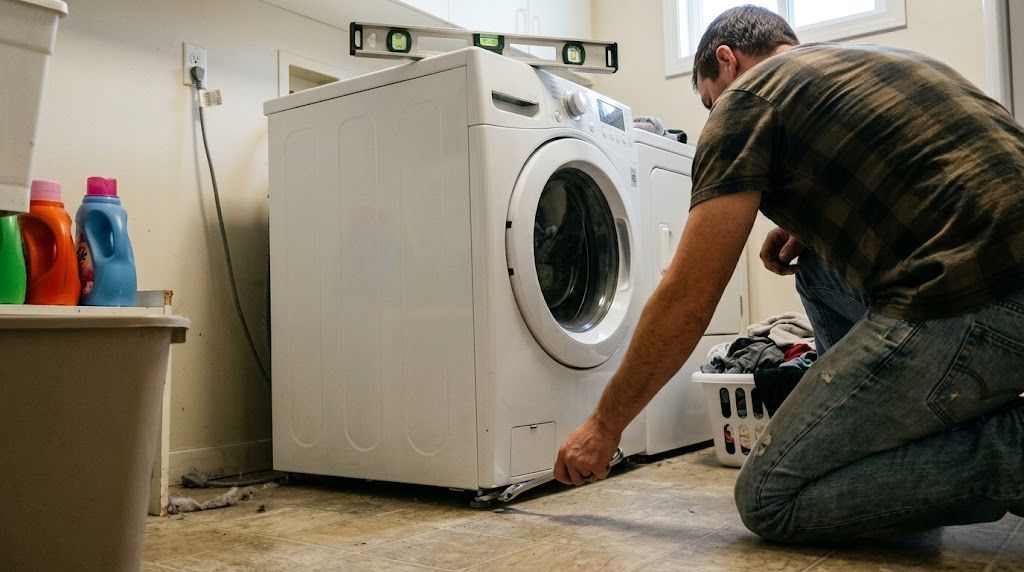
In many cases, simply replacing an appliance with a similar model does not require a permit. For example, swapping out an old dishwasher for a new one using the same plumbing and electrical connections typically does not trigger permit requirements.
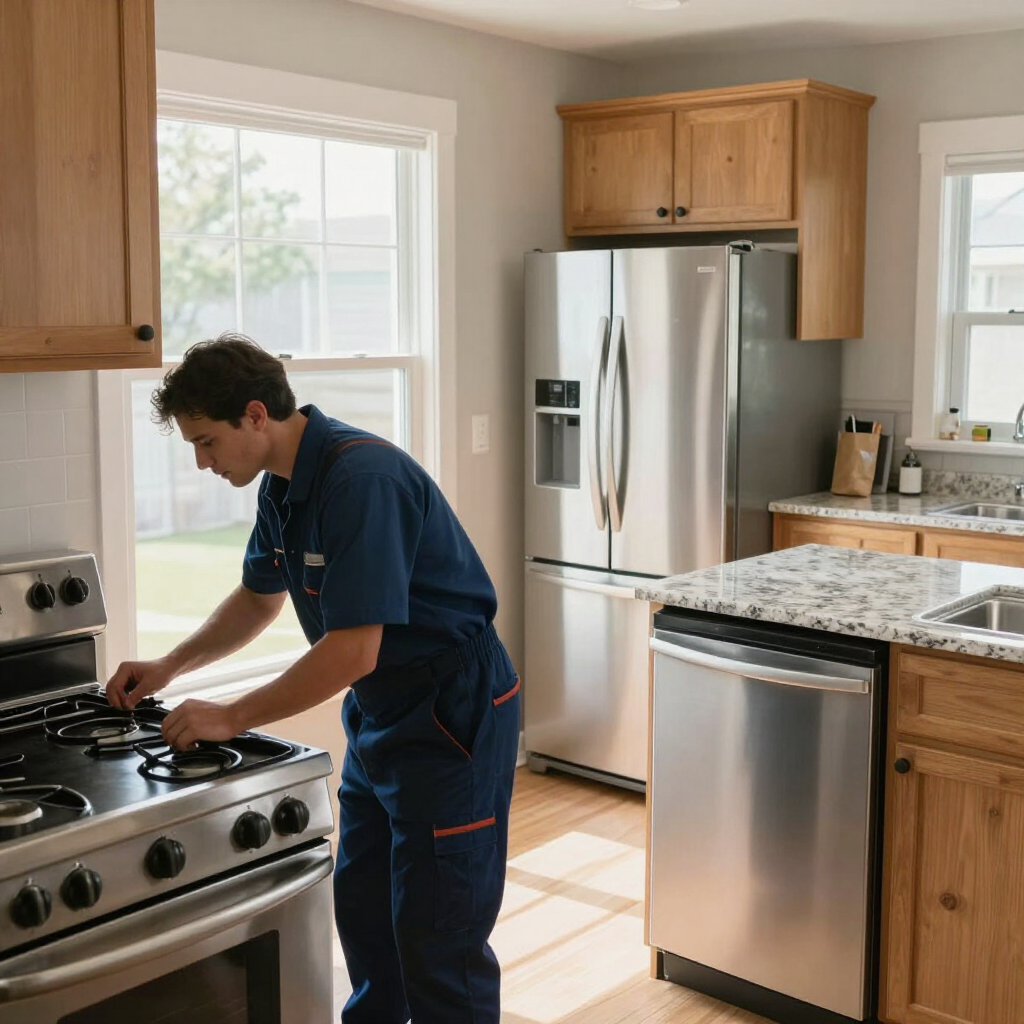
Similarly, replacing a freestanding electric range without modifying wiring or cabinetry may not require a permit. These straightforward replacements are considered maintenance rather than construction.
However, even when a permit is not required, the installation must still meet safety and manufacturer guidelines.
Situations That Often Require a Permit
Permits are more likely to be required when an appliance installation involves changes to utilities or structural elements. Common scenarios include:
- Installing a gas appliance where no gas line previously existed
- Upgrading electrical circuits to support a new appliance
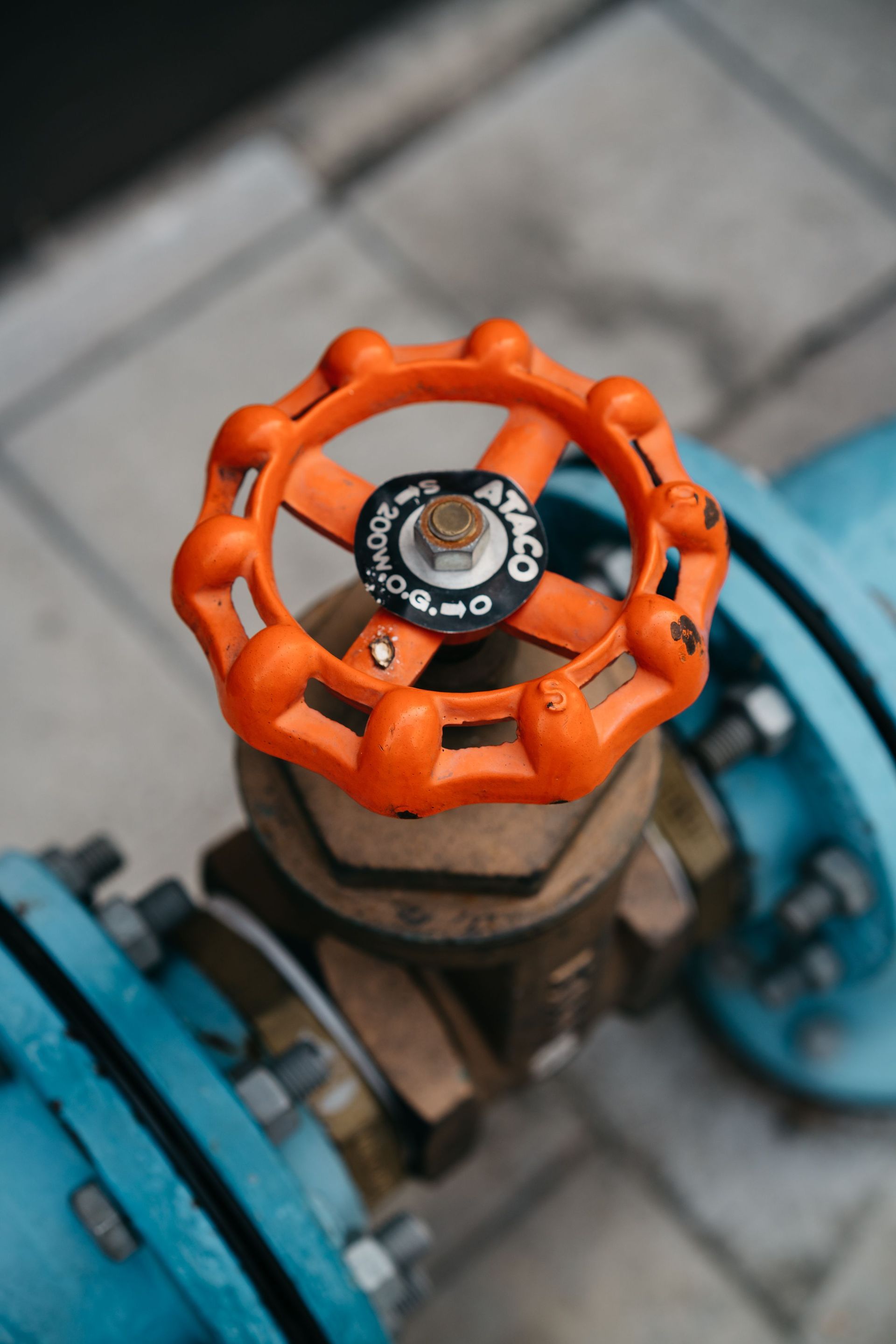
- Relocating plumbing lines or shut-off valves
- Installing built-in or wall-mounted appliances that require cabinet modifications
- Converting an appliance from electric to gas or from gas to electric
Any time the scope of work extends beyond a simple replacement, permit requirements should be reviewed carefully.
Electrical Permits for Appliance Installation
Electrical permits are often required when installing appliances that demand higher voltage or amperage than existing circuits can provide. Examples include electric ovens, wall ovens, and some cooktops.
Older homes in Manchester may not have electrical panels designed to handle modern appliance loads. Adding or modifying circuits typically requires a permit and inspection to ensure safety and compliance.
Electrical permits help confirm that wiring, breakers, and connections meet current standards and reduce the risk of fire hazards.
Gas Permits and Safety Requirements
Gas appliance installations are among the most strictly regulated due to the potential dangers involved. Installing or modifying gas lines usually requires a permit and inspection.
This includes installing gas ovens, ranges, or other gas-powered appliances where new connections are made. Inspections verify that gas lines are properly sized, connections are secure, and no leaks are present.
Even minor gas line modifications can require permits, making professional guidance essential.
Plumbing Permits and Appliance Installation
Plumbing permits may be required when installing appliances that involve new water lines or drain modifications. Dishwashers, refrigerators with water dispensers, and some specialty appliances fall into this category.
If an installation requires relocating plumbing or adding new shut off valves, a permit is often necessary. Plumbing inspections ensure that connections are leak-free and properly vented.
Built-In and Custom Appliance Installations
Built-in appliances and custom installations often trigger permit requirements because they involve cabinet modifications, electrical adjustments, or plumbing changes. Wall ovens and built-in dishwashers frequently fall into this category.
Custom work increases the importance of compliance, as improper installation can affect both safety and home value. Permits provide documentation that the work was completed according to code.
What Happens If You Skip a Required Permit?
Skipping a required permit can lead to serious consequences. If unpermitted work is discovered, homeowners may be required to pay fines, remove the appliance, or redo the installation.
Insurance companies may deny claims related to unpermitted work. Additionally, home inspections during resale often uncover permit issues, delaying or jeopardizing a sale.
Permits provide a layer of protection by documenting that work was completed properly.
How Professional Installers Handle Permit Requirements
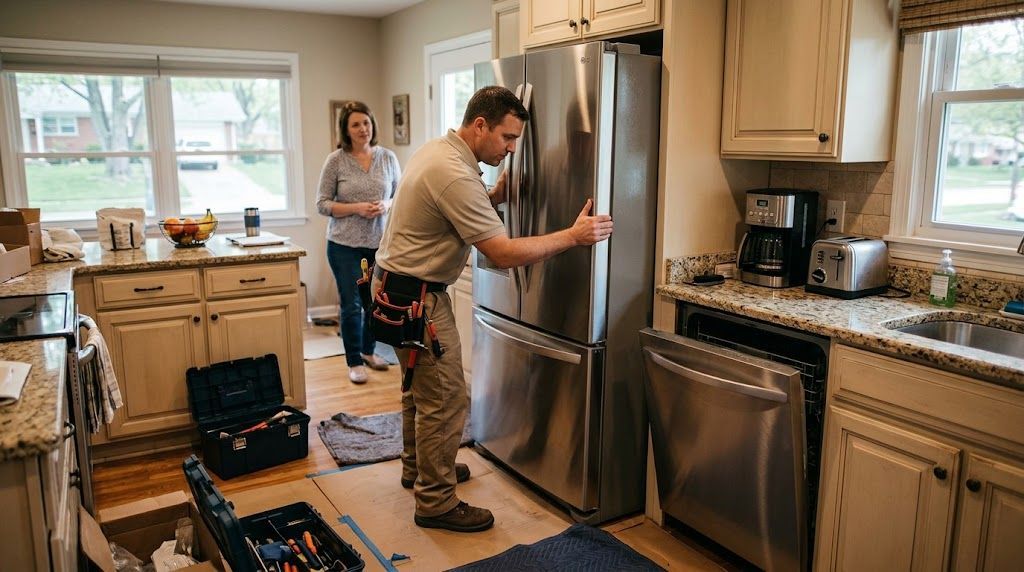
Professional installers understand local permit requirements and help homeowners determine when permits are necessary. They evaluate the scope of work and advise whether permits or inspections are required before installation begins.
Adept Installation works with homeowners in Manchester, Missouri to ensure appliance installations comply with local regulations. Their experience allows them to identify potential permit needs early, preventing delays and complications.
Professional installers also coordinate work in a way that aligns with inspection requirements, ensuring a smooth process from start to finish.
Why Permits Benefit Homeowners
While permits may seem like an inconvenience, they offer significant benefits. Permits ensure that installations meet safety standards, reduce liability risks, and provide documentation that adds value to the home.
For homeowners planning future renovations or resale, permitted work demonstrates that improvements were completed responsibly and professionally.
Frequently Asked Questions
Do all appliance installations require permits?
No. Simple replacements using existing connections often do not require permits, but modifications usually do.
Who is responsible for obtaining the permit?
Responsibility varies by project. Professional installers often help determine permit needs and guide homeowners through the process.
How long does the permit process take?
Permit timelines vary depending on the scope of work and local requirements. Some permits are issued quickly, while others may take longer.
Will an inspection disrupt my schedule?
Inspections are typically brief and scheduled in advance, minimizing disruption.
Understanding Local Requirements in Manchester, MO
Permit requirements can vary by municipality. Manchester follows local and state codes designed to ensure safety and compliance. Working with a local installer familiar with these requirements helps homeowners avoid confusion.
Local knowledge is especially valuable in older homes where previous work may not meet current standards.
Making Informed Decisions Before Installation
Before installing a new appliance, homeowners should consider whether the project involves electrical, gas, plumbing, or structural changes. Understanding permit requirements early helps prevent surprises and ensures a smooth installation process.
Professional guidance provides clarity and confidence, allowing homeowners to move forward knowing their installation meets all necessary standards.
Adept Installation serves Manchester and surrounding communities during regular business hours, providing expert appliance installation services backed by decades of experience.
Phone:
(314) 303-3288
Email:
jrcxtreme@gmail.com
Need Professional Appliance Installation?
Trust Adept Installation for clean, reliable service in St. Louis and surrounding counties.
Contact us today to get started.
Recent Posts