Appliance Installation Checklist for New Homeowners in Manchester, MO

Buying a new home is an exciting milestone, but it often comes with a long list of responsibilities that many homeowners are not fully prepared for. One of the most overlooked areas is appliance installation. Whether appliances came with the home or you are purchasing new ones shortly after moving in, proper installation plays a major role in safety, performance, and long-term reliability.
New homeowners in Manchester, Missouri frequently inherit appliances that were installed years ago, sometimes incorrectly or without consideration for current standards. Others purchase modern appliances that do not align perfectly with older kitchens. Without a clear plan, installation issues can lead to leaks, electrical problems, damaged cabinetry, or voided warranties.
This checklist walks new homeowners through everything they should review and prepare before installing or replacing appliances, helping ensure a smooth transition into their new home.
Step One: Inventory All Existing Appliances
The first step for new homeowners is to identify which appliances are currently installed and determine their condition. This includes major kitchen appliances such as dishwashers, ovens, ranges, and built-in units.
Pay attention to:
- Appliance age and visible wear
- Signs of leaks or corrosion
- Unusual noises or performance issues
- Loose or unstable installations
Understanding what is already in place helps you decide whether appliances should be replaced immediately or evaluated further.
Step Two: Confirm Appliance Specifications
Before purchasing or installing any appliance, review its specifications carefully. Appliance dimensions, utility requirements, and ventilation needs vary widely between models and manufacturers.
Key details to confirm include:
- Width, height, and depth
- Electrical voltage and amperage
- Gas or water connection requirements
- Clearance and ventilation specifications
Comparing these requirements to your existing kitchen layout prevents fit issues and installation delays.
Step Three: Measure Cabinet Openings Accurately
Cabinet openings should always be measured before installing new appliances. Even homes built to standard dimensions can vary slightly due to settling, remodeling, or construction inconsistencies.
Measure:
- Opening width at top and bottom
- Opening height at multiple points
- Depth including door clearance
For built-in appliances, precise measurements are critical. Even small discrepancies can prevent proper installation.
Step Four: Inspect Electrical Systems
Electrical compatibility is one of the most common challenges for new homeowners. Older homes in Manchester may not have electrical systems designed for modern appliances.
Check for:
- Dedicated circuits for major appliances
- Proper outlet types and locations
- Electrical panel capacity
- Signs of outdated or modified wiring
If electrical upgrades are needed, addressing them before installation avoids safety risks and delays.
Step Five: Review Gas Connections If Applicable
Homes with gas appliances require careful inspection of gas lines and shut off valves. Even if appliances appear to function, connections may be outdated or improperly installed.
Inspect:
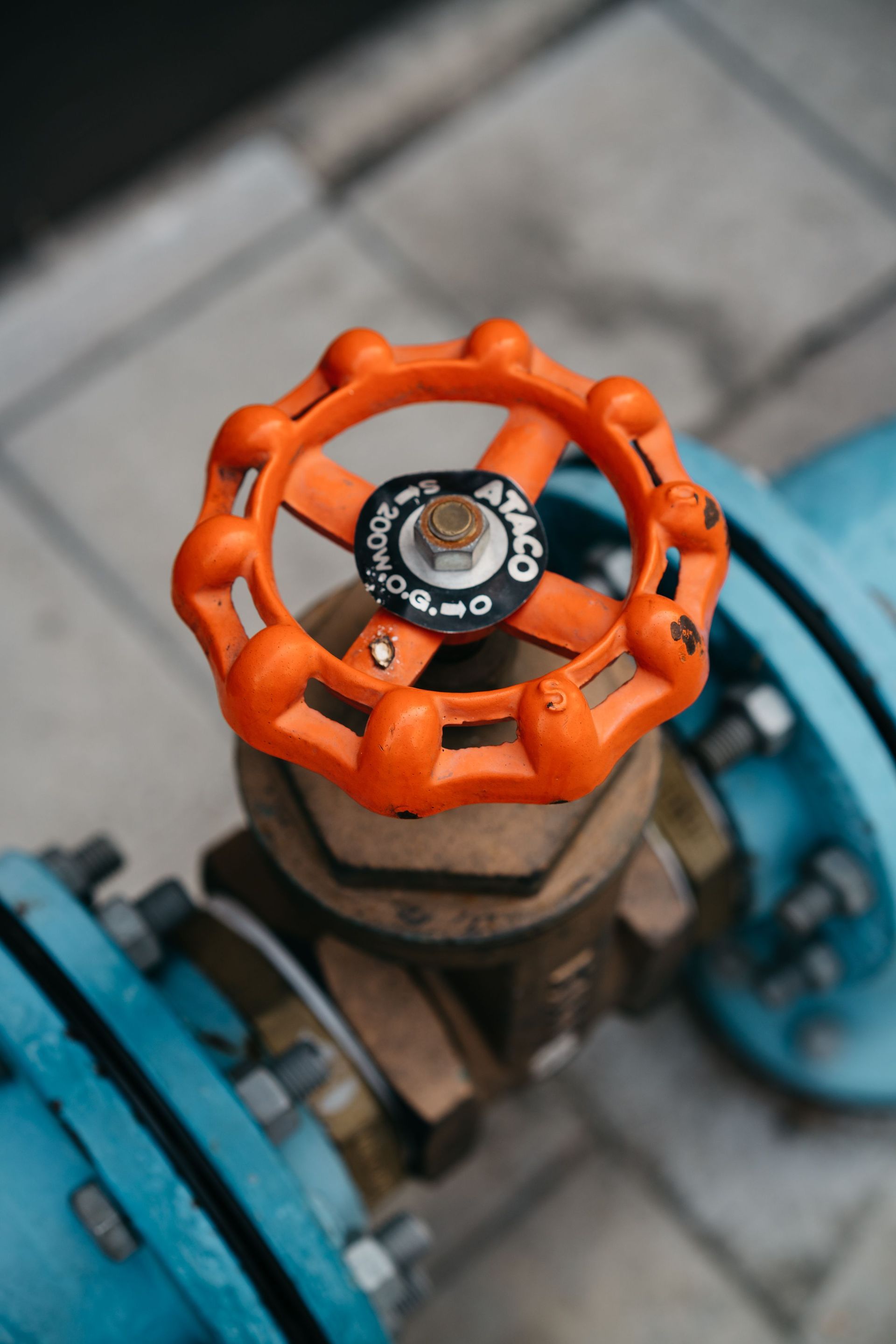
- Accessibility of shut off valves
- Condition of gas lines
- Proper placement relative to appliances
Gas installations require strict adherence to safety standards, making professional evaluation especially important.
Step Six: Inspect Plumbing and Water Lines
Dishwashers and other appliances that use water should be checked for proper plumbing connections. Old or worn water lines are a common source of leaks in newly purchased homes.
Look for:
- Corroded or brittle water lines
- Improper drain hose routing
- Leaks under sinks or behind appliances
- Accessible shut off valves
Replacing aging components early can prevent costly water damage.
Step Seven: Evaluate Flooring and Height Changes
Flooring updates often affect appliance fit. If new flooring was installed without removing cabinets, appliance clearance may be reduced.
Check whether:
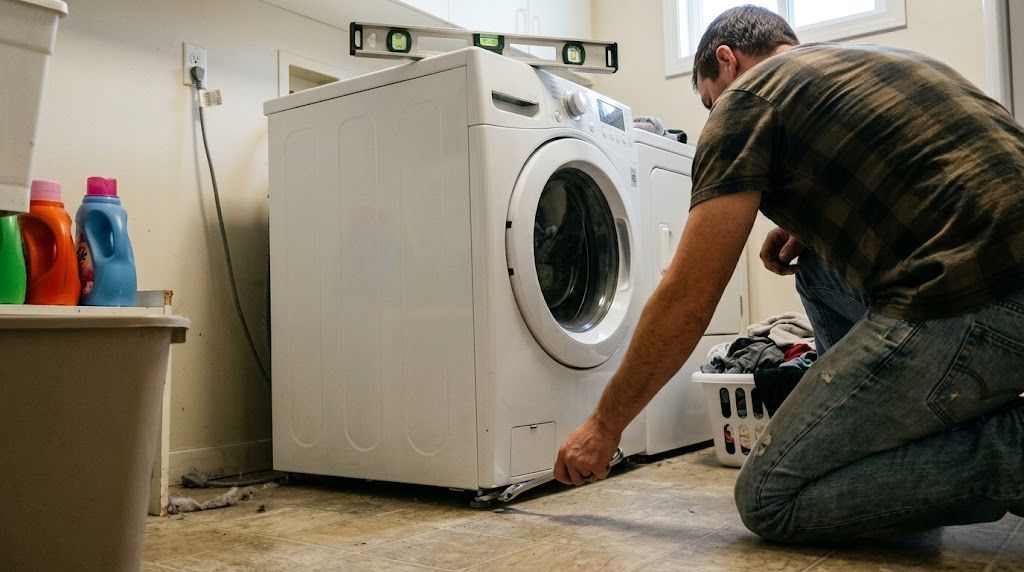
- Appliances can be removed without obstruction
- New appliances can slide into openings
- Flooring interferes with leveling
This is especially important for dishwashers and ranges.
Step Eight: Consider Cabinet and Countertop Modifications
New homeowners are often surprised to learn that cabinets or countertops may need modifications to accommodate modern appliances.
Common issues include:
- Openings that are slightly too narrow
- Countertops that reduce vertical clearance
- Cabinets that are out of square
Planning for potential modifications helps avoid last-minute installation problems.
Step Nine: Verify Ventilation Requirements
Proper ventilation is essential for ovens, ranges, and built-in appliances. Inadequate ventilation can lead to overheating and reduced appliance lifespan.
Confirm:
- Clearance around appliances
- Venting options for gas appliances
- Manufacturer ventilation guidelines
Ventilation is especially important in older kitchens that were not designed for modern appliances.
Step Ten: Understand Permit Requirements
Some appliance installations require permits, particularly when electrical, gas, or plumbing modifications are involved. New homeowners should familiarize themselves with local requirements to avoid compliance issues.
Professional installers can help determine whether permits are needed based on the scope of work.
Step Eleven: Schedule Professional Installation
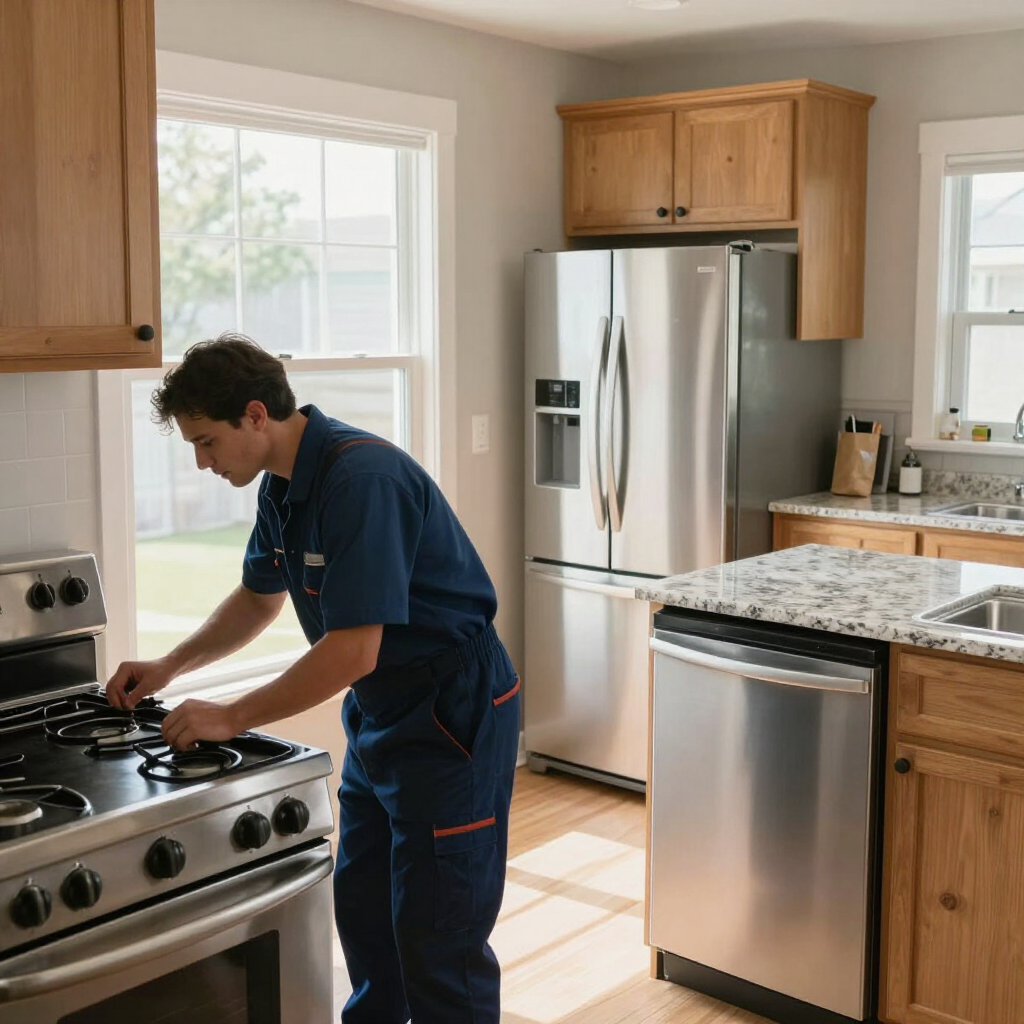
While some homeowners consider handling installation themselves, professional installation offers significant advantages. Experienced installers recognize potential issues early and ensure that installations meet safety and manufacturer standards.
Adept Installation provides appliance installation services tailored to the realities of Manchester homes. Their experience with older construction, custom cabinetry, and utility coordination helps new homeowners settle in without unnecessary stress.
Step Twelve: Plan for Testing and Verification
Once appliances are installed, they should be tested thoroughly. This includes running dishwashers through a full cycle, verifying oven heating performance, and checking for leaks or unusual behavior.
Testing confirms that everything operates correctly before appliances are put into daily use.
Step Thirteen: Keep Documentation
New homeowners should keep records of appliance installations, including receipts, manuals, and warranty information. Documentation is helpful for future maintenance, warranty claims, and resale.
Common Mistakes New Homeowners Make
New homeowners often:
- Assume existing installations are correct
- Skip measurements before purchasing appliances
- Overlook electrical or plumbing limitations
- Delay addressing minor issues that become major problems
Following a checklist helps avoid these mistakes.
Why This Checklist Matters in Manchester, MO
Manchester homes often reflect a mix of construction eras and renovation styles. A checklist provides structure and clarity during a time when homeowners are already managing many tasks.
Local experience matters when evaluating appliances and installations, as common issues can vary by area and housing age.
Frequently Asked Questions
Should appliances be replaced immediately after buying a home?
Not always, but they should be inspected and evaluated.
Is professional installation worth it for new homeowners?
Yes. Professional installation reduces risk and ensures safety.
Can installation issues affect home insurance?
Yes. Improper installations may impact coverage in the event of damage.
How soon should appliances be inspected after moving in?
As soon as possible, especially before heavy use.
Setting Yourself Up for a Smooth Start
Appliance installation may not be the most exciting part of homeownership, but it is one of the most important. Proper installation protects your home, your appliances, and your peace of mind.
By following this checklist, new homeowners in Manchester can avoid common pitfalls and enjoy a smoother transition into their new space.
Adept Installation serves Manchester, Missouri and surrounding communities during regular business hours, providing professional appliance installation services designed to support new homeowners from day one.
Phone: (314) 303-3288
Email: jrcxtreme@gmail.com
Need Professional Appliance Installation?
Trust Adept Installation for clean, reliable service in St. Louis and surrounding counties.
Contact us today to get started.
Recent Posts