Gas vs. Electric Oven Installation: What Homeowners Need to Know
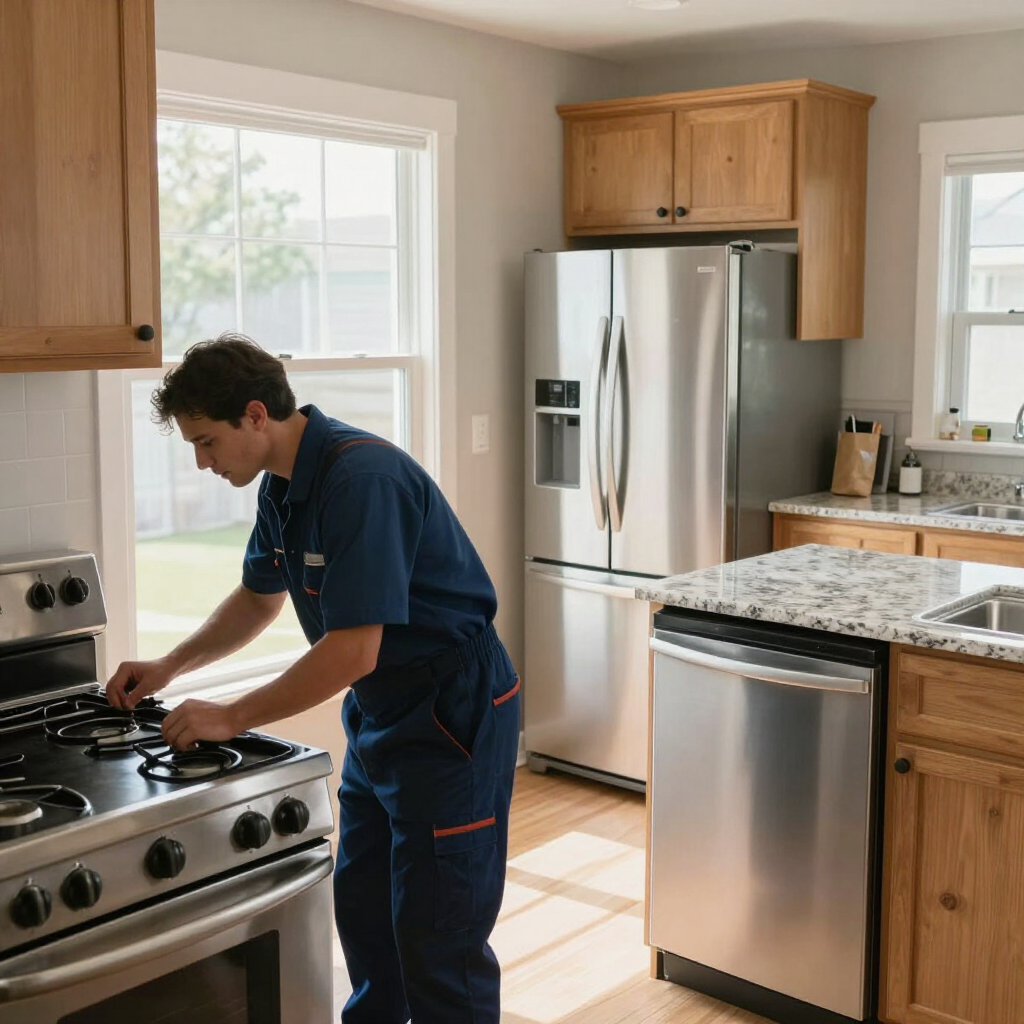
Choosing between a gas or electric oven is a major decision for homeowners planning a kitchen upgrade or appliance replacement. While cooking preferences often drive this choice, installation requirements are just as important and are frequently overlooked. Gas and electric ovens differ significantly in how they are installed, the utilities they require, and the long-term implications for safety, maintenance, and cost.
For homeowners in Manchester, Missouri, these differences matter even more. Many homes in the area were built before modern appliance standards, meaning electrical capacity, gas availability, and cabinet layouts can vary widely. Understanding the installation realities of gas versus electric ovens helps homeowners avoid surprises, delays, and unnecessary expenses.
This guide explains the key differences between gas and electric oven installation, what each option requires, and how professional installation ensures the oven performs safely and reliably.
Understanding Gas Ovens
Gas ovens use natural gas or propane to generate heat. They are often favored by homeowners who prefer precise temperature control and faster heat response. However, gas ovens come with specific installation requirements that must be met exactly.
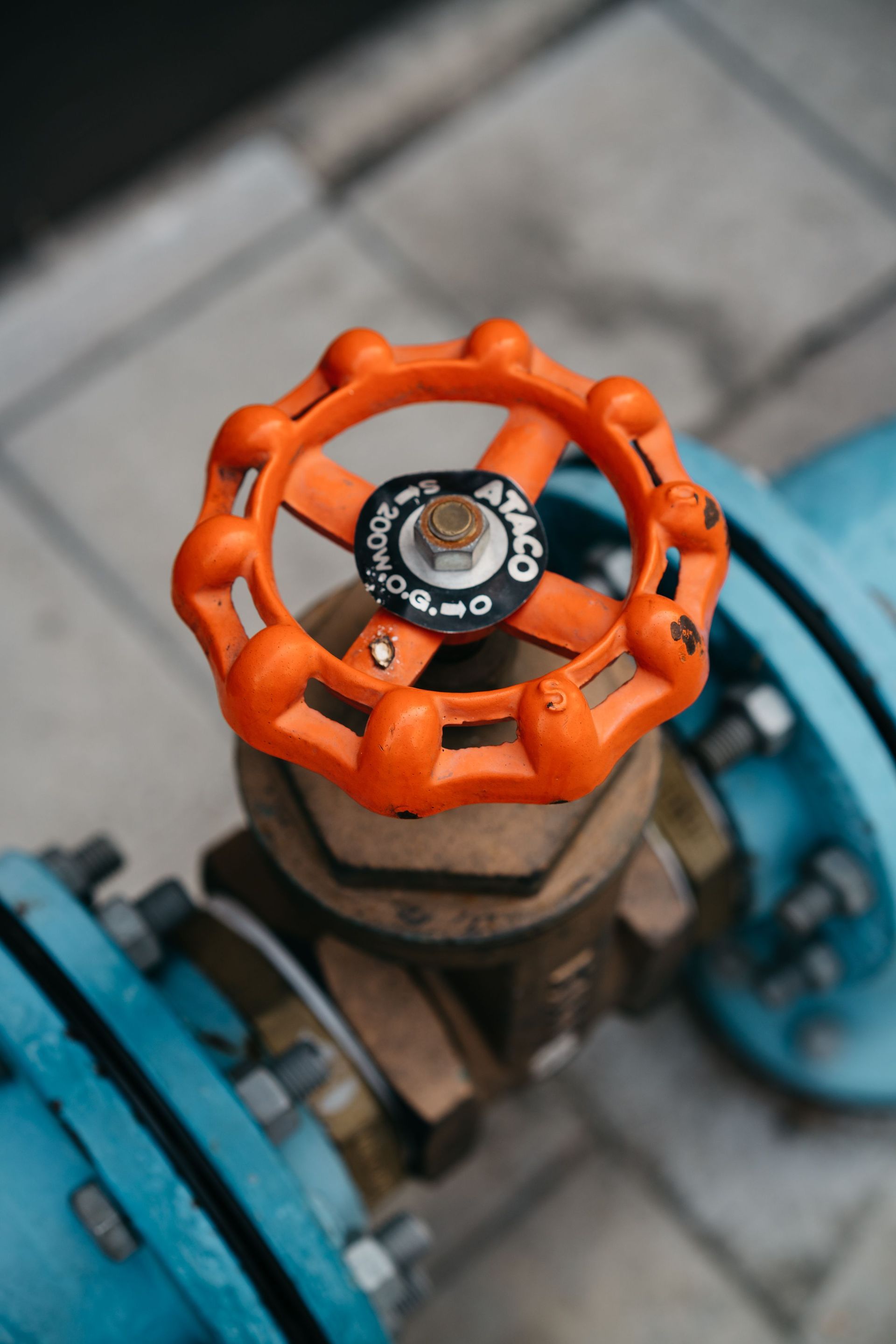
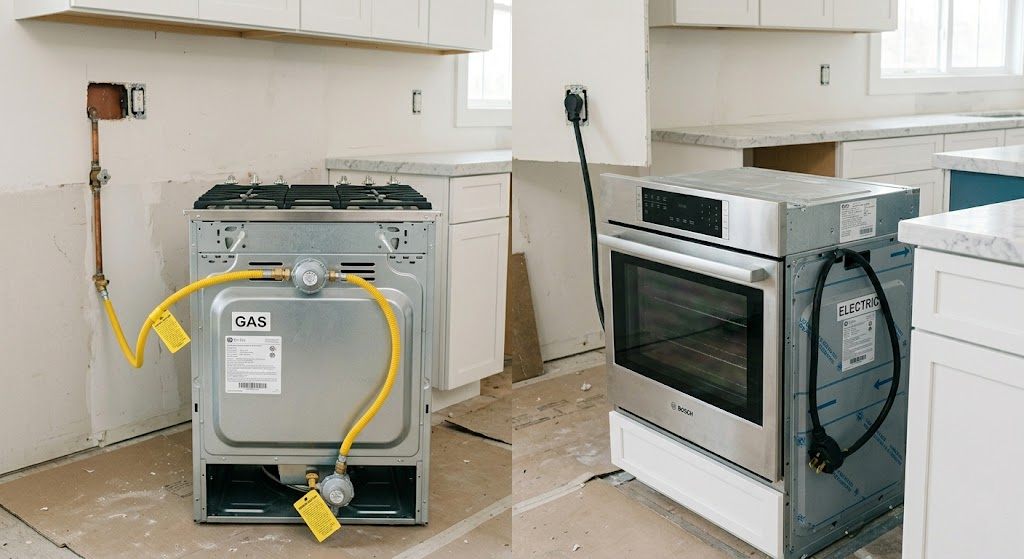
A gas oven requires a properly sized gas line, a shut off valve within reach of the appliance, and secure connections that are tested for leaks. In addition, adequate ventilation and clearance must be maintained to ensure safe operation.
In homes that already have a gas supply to the kitchen, installing a gas oven may be straightforward. In homes without an existing gas line, installation becomes more complex and may involve additional plumbing work.
Understanding Electric Ovens
Electric ovens rely on high-voltage electrical power, typically operating on a 240-volt circuit. They are known for consistent baking performance and are common in homes without gas service.
Electric oven installation requires a dedicated electrical circuit capable of handling the oven’s amperage. Wiring must be properly sized, grounded, and protected by the correct breaker. Many older homes do not have the electrical capacity required for modern electric ovens, making upgrades necessary.
While electric ovens do not involve gas lines, their electrical demands present their own challenges and safety considerations.
Installation Requirements for Gas Ovens
Installing a gas oven involves more than connecting a flexible line and turning on the supply. Safety is the primary concern, as gas leaks pose serious health and fire risks.
Key gas oven installation requirements include:
- A dedicated shut off valve near the appliance
- Proper gas line sizing to support the oven
- Secure, sealed connections
- Pressure testing to detect leaks
- Compliance with clearance and ventilation guidelines
Any modification to gas lines often requires permits and inspections. Professional installation ensures that these steps are completed correctly and safely.
Installation Requirements for Electric Ovens
Electric ovens place heavy demands on a home’s electrical system. Installation requires careful evaluation of the existing panel, wiring, and breaker capacity.
Key electric oven installation requirements include:
- A dedicated 240-volt circuit
- Correct wire gauge for the oven’s amperage
- Proper grounding
- Manufacturer-approved connection method
In many Manchester homes, electrical panels may need upgrades to support new electric ovens. Attempting to install an electric oven without proper electrical capacity can result in tripped breakers, appliance damage, or fire hazards.
Built-In and Wall Oven Considerations
Both gas and electric ovens are available in built-in and wall oven configurations. These installations add another layer of complexity due to cabinet integration and structural requirements.
Wall ovens require:
- Reinforced cabinetry to support weight
- Precise cutout dimensions
- Adequate ventilation
- Safe routing of gas or electrical connections
Improper installation of built-in ovens can lead to overheating, cabinet damage, and operational issues. Professional installers ensure that both the appliance and surrounding cabinetry meet all specifications.
Cost Differences in Installation
Installation costs can vary significantly between gas and electric ovens. Factors that influence cost include the presence of existing utilities, required upgrades, and cabinet modifications.
Gas oven installation may be more affordable if a gas line already exists. However, adding or modifying gas lines increases cost and complexity.
Electric oven installation may require electrical panel upgrades or new circuits, which can also add to the overall cost.
Understanding these factors before purchasing an oven helps homeowners make informed decisions and budget appropriately.
Safety Considerations
Safety is a critical factor when comparing gas and electric oven installation. Gas ovens carry the risk of leaks and combustion-related issues if installed incorrectly. Electric ovens carry the risk of electrical overload and fire hazards if wiring is inadequate.
Professional installation reduces these risks by ensuring compliance with safety standards, manufacturer guidelines, and local codes.
Skipping professional installation increases the likelihood of hidden issues that may not appear until months after installation.
Energy Efficiency and Performance Considerations
While installation is the focus, performance differences can influence the decision. Gas ovens heat quickly and cool rapidly, while electric ovens often provide more even baking temperatures.
From an installation perspective, energy efficiency depends on proper setup. A poorly installed oven, whether gas or electric, may consume more energy and perform poorly.
Proper installation ensures that the oven operates as efficiently as designed.
Converting Between Gas and Electric
Some homeowners consider switching from gas to electric or vice versa. While possible, conversions often involve significant work.
Switching to gas may require running a new gas line and obtaining permits. Switching to electric may require electrical upgrades and panel modifications.
Professional evaluation is essential before attempting a conversion to determine feasibility and cost.
Why Professional Installation Matters
The differences between gas and electric oven installation highlight the importance of professional expertise. Each option has unique requirements that must be addressed correctly.
Adept Installation provides professional gas and electric oven installation services in Manchester, Missouri. With decades of hands-on experience, they handle electrical coordination, gas connections, cabinet adjustments, and safety testing as part of a complete installation process.
This level of experience is especially valuable in older homes or kitchens with custom layouts.
Frequently Asked Questions
Is gas or electric oven installation more complicated?
Both can be complex, depending on existing utilities and kitchen layout.
Do gas ovens require more maintenance?
Gas connections should be inspected periodically, but both types require routine care.
Can I install a gas oven without a gas line?
No. A proper gas supply must be installed by qualified professionals.
Are electric ovens safer than gas ovens?
Both are safe when installed correctly. Improper installation increases risk for either type.
Making the Right Choice for Your Home
Choosing between a gas and electric oven involves more than cooking preference. Installation requirements, safety, cost, and home infrastructure all play a role.
By understanding these factors, homeowners can make confident decisions and avoid installation surprises. Professional guidance ensures that whichever option you choose is installed correctly and safely.
Adept Installation serves Manchester, Missouri and surrounding communities during regular business hours, providing reliable oven installation services backed by decades of experience.
Phone:
(314) 303-3288
Email:
jrcxtreme@gmail.com
Need Professional Appliance Installation?
Trust Adept Installation for clean, reliable service in St. Louis and surrounding counties.
Contact us today to get started.
Recent Posts